Stress has become a common part of modern life. Between work responsibilities, family commitments, financial pressures, constant notifications, and the general pace of daily living, many people feel mentally and physically overwhelmed. While stress is a natural response to challenges, ongoing stress can affect mood, sleep, concentration, energy levels, and overall well-being if it is not managed effectively.
One of the biggest misconceptions about stress management is that it requires large amounts of free time. Many people assume they need hour-long meditation sessions, lengthy workouts, or expensive wellness programs to feel better. In reality, small and consistent actions often produce meaningful results. A simple stress management routine performed regularly can help calm the mind, improve focus, and reduce the physical tension that builds throughout the day.
Combining mindfulness and movement is one of the most effective ways to create a practical and sustainable approach to stress reduction. Mindfulness helps bring attention back to the present moment, while movement encourages the body to release tension and improve circulation. Together, they create a powerful combination that supports both mental and physical well-being. Even dedicating just fifteen minutes a day can become an important investment in long-term health and resilience.
Understanding How Stress Affects the Mind and Body
Stress does not only exist in the mind. It affects the entire body. When people experience stress, the nervous system activates a series of responses designed to help them react to perceived challenges. Heart rate increases, muscles tighten, breathing becomes shallower, and stress hormones such as cortisol and adrenaline are released.
These responses are useful during short-term challenges, but problems arise when the body remains in this heightened state for extended periods. Chronic stress can contribute to fatigue, headaches, muscle tension, digestive issues, irritability, sleep difficulties, and reduced concentration. Many people become so accustomed to feeling stressed that they no longer recognize how much tension they carry throughout the day.
A well-designed stress management routine helps interrupt this cycle. By intentionally creating moments of calm and movement, individuals give their nervous system an opportunity to reset. Over time, this can help reduce the overall impact of daily stressors and improve emotional resilience.
The goal is not to eliminate every source of stress. Instead, it is to create habits that help the body and mind respond more effectively when challenges arise.
Why Fifteen Minutes Can Make a Difference
It is common for individuals to put off their stress-relieving practices as they believe that one needs to spend considerable time in order to benefit from such an exercise. This belief tends to become yet another obstacle to good health. With a busy schedule, it becomes difficult to allocate sufficient time to such a long practice.
It might not take much time to perform a certain task; however, regularity plays a greater role. A short practice that one performs on a daily basis will have more chances of being continued than a long session done sporadically. Small things done regularly can lead to changes in mood and other aspects of life.
In addition, a short routine can easily fit into one’s lifestyle. One can do a few exercises before going to work, during a lunch break, after working out, or before bed. It will be easier to continue this practice since the time investment is not too large. Often, people develop healthy stress relieving practices by taking baby steps at first. It does not need to be perfect from the very beginning.
The Connection Between Mindfulness and Stress Reduction
The concept of mindfulness means that one needs to concentrate on the present moment and be aware of it without any judgment. It requires one to be aware of the current moment rather than to think of the future or analyze past experiences.
The state of stress usually takes one’s focus off of the present moment. Being caught up in loops of constant worries, anticipation, or being overwhelmed, people can benefit from mindfulness techniques which will create gaps between thoughts and emotions.
The practice of performing different exercises related to mindfulness can increase awareness of stress triggers and help one react more mindfully rather than automatically. This means that a person will observe the thoughts without being involved into the loop of anxious thoughts. In stressful situations, this practice proves to be very helpful since the person will approach them differently.
Why Movement Plays an Important Role
While mindfulness works primarily through awareness and attention, movement addresses the physical side of stress. The body stores tension in muscles, joints, and connective tissues, particularly during periods of prolonged stress.
Physical movement helps release this tension while improving circulation and increasing energy levels. Gentle exercises can reduce stiffness, encourage deeper breathing, and promote relaxation throughout the body.
Movement also stimulates the release of chemicals that support mood and emotional well-being. Many people notice improved mental clarity and reduced anxiety after even a short period of physical activity.
Combining movement with mindfulness creates a balanced approach to stress management. The mind becomes calmer while the body becomes more relaxed and energized. This combination often produces greater benefits than either practice alone.
Building the Foundation of a Stress Management Routine
Any good stress management regime always starts off simple. While complicated regimes might sound impressive when on paper, it is often hard to follow them consistently. Usually, the simplest, most flexible, and easiest to implement routine is the one that works best.
Fifteen minutes should encompass activities that will help manage not only mental, but also physical stress. Mindfulness helps to relax mentally, while moving can assist in relieving physical stress. Thus, a balance is created.
Another feature of the routine should be flexibility. Depending on how stressed a person feels or what level of energy they possess at any given day, the level of difficulty of the routine should be adjusted. Lastly, scheduling the routine is also important. Allocating some time and a certain place where one practices it will help to form a long-term habit out of it.
Minute 1 to 5: Focused Breathing and Mental Reset
The first five minutes of the exercise should be aimed at reducing the stress level by means of proper breathing techniques and awareness. Breathing is one of the fastest ways to have an effect on the person’s stress levels due to the fact that it influences the state of relaxation.
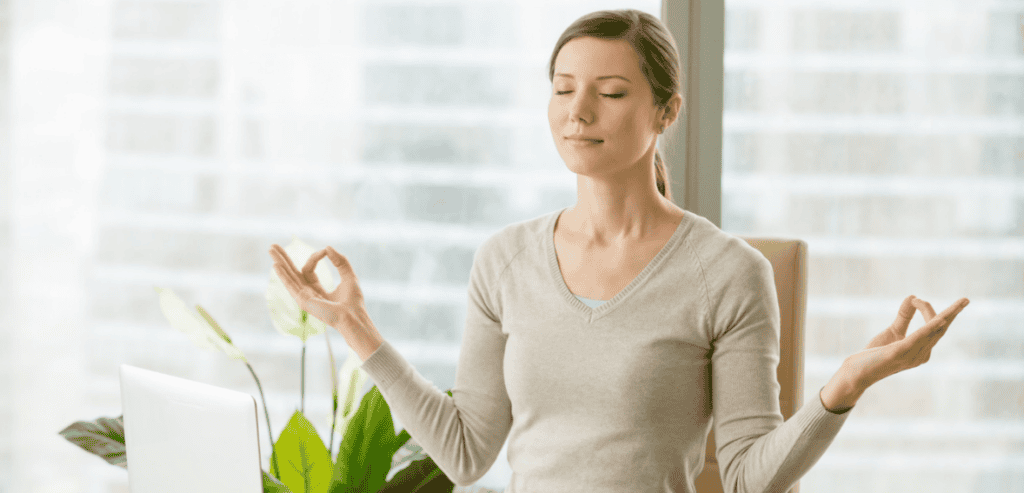
Find a comfortable position whether it is sitting on a chair or the floor. If you feel comfortable close your eyes and start focusing on your breaths. Pay attention to the process of breathing without any effort in the beginning.
A few breaths later slowly reduce the rhythm of breathing. Start inhaling deeply through your nose and hold your breath a little bit. Then exhale gradually. The main thing here is not to do everything properly but to pay attention. Such simple mindfulness exercises will help distract your attention and feel relaxed.
Minute 6 to 10: Gentle Movement and Stretching
The next five minutes should involve gentle movement designed to release tension and increase circulation. This portion of the routine does not require specialized equipment or advanced fitness levels.
Begin with slow neck rolls, shoulder circles, and arm stretches. These areas often hold significant tension, particularly for people who spend long hours sitting or working at computers. Move gradually and avoid forcing any positions.
Continue with gentle standing stretches, torso rotations, and leg movements. Focus on how the body feels rather than trying to achieve specific fitness goals. The purpose is to encourage relaxation and mobility rather than intense exercise.
Movement performed with awareness becomes an extension of mindfulness. Paying attention to sensations, breathing, and posture helps create a stronger connection between mind and body.
Minute 11 to 15: Reflection and Calm Transition
The final five minutes provide an opportunity to integrate the benefits of the routine and prepare for the remainder of the day. This stage encourages reflection, gratitude, and emotional grounding.
Return to a comfortable seated position and take several slow breaths. Notice any changes in physical tension, mental clarity, or emotional state compared to the beginning of the session.
Some people find it helpful to reflect on a positive aspect of the day or identify something they appreciate. Others may simply sit quietly and observe their thoughts without judgment.
A short daily meditation practice can be especially effective during this portion of the routine. The goal is not to empty the mind completely but to create a sense of calm awareness before returning to daily responsibilities.
Making the Routine Part of Everyday Life
One of the biggest challenges with any wellness habit is consistency. Many people start enthusiastically but struggle to maintain routines once life becomes busy.
Success often depends on integrating the routine into existing habits. For example, completing the practice immediately after waking up, before lunch, or after work creates natural triggers that support consistency.
It can also help to focus on showing up rather than performing perfectly. Some days the routine may feel easy, while other days it may feel difficult. The important thing is maintaining the habit regardless of circumstances.
Over time, small actions become automatic. What initially requires effort gradually becomes part of daily life. This consistency is what transforms individual sessions into lasting stress relief habits.
Adapting the Routine for Different Situations
Stress affects everyone differently, and no single approach works perfectly for every person. The beauty of a short routine is that it can be adapted to meet individual needs and circumstances.
Someone experiencing mental fatigue may choose to spend more time on breathing and mindfulness exercises. Another person dealing with physical tension may benefit from additional stretching and movement.
Workplace environments, travel schedules, and family responsibilities may also influence how the routine is performed. The exact structure is less important than maintaining the overall balance between mindfulness and movement.
Flexibility helps ensure that the routine remains practical and sustainable over the long term.
The Benefits of a Daily Meditation Practice
Meditation often sounds intimidating to beginners because many people imagine lengthy sessions requiring complete mental silence. In reality, meditation can be simple and accessible.
A daily meditation practice does not require perfect concentration. Thoughts will naturally arise during the process. The practice involves gently returning attention to the present moment whenever the mind wanders.
Regular meditation can improve focus, emotional regulation, self-awareness, and resilience. Many people also report better sleep quality and reduced feelings of anxiety over time.
Even brief sessions contribute to these benefits. Consistency matters more than duration, making meditation an ideal component of a fifteen-minute routine.
How Stress Relief Habits Create Long-Term Change
Individual stress management sessions are valuable, but the greatest benefits emerge through repetition. Each session strengthens neural pathways associated with calmness, awareness, and emotional regulation.
Stress relief habits gradually influence how people respond to challenges. Instead of reacting automatically to stressful situations, individuals become more capable of pausing, reflecting, and choosing constructive responses.
These changes often extend beyond stress management itself. Improved emotional balance can positively affect relationships, work performance, decision-making, and overall quality of life.
The cumulative effect of small daily actions should not be underestimated. Consistent habits often produce results that are far greater than their individual parts.
Common Mistakes to Avoid
Many people approach stress management with unrealistic expectations. They expect immediate transformation and become discouraged when results are not dramatic after a few sessions.
Another common mistake is trying to do too much too quickly. Complex routines often feel overwhelming and are difficult to maintain. Simplicity generally produces better long-term outcomes.
Judging the effectiveness of a session based solely on mood can also be misleading. Some days stress levels may remain elevated despite completing the routine. Progress is often measured over weeks and months rather than individual sessions.
Patience and consistency are essential. Like any skill, mindfulness and stress management improve with practice.
Supporting the Routine With Healthy Lifestyle Choices
While a fifteen-minute routine can provide meaningful benefits, stress management works best when supported by healthy lifestyle habits. Sleep, nutrition, hydration, physical activity, and social connection all influence stress levels.
People who prioritize adequate rest and regular movement often find it easier to manage daily pressures. Balanced nutrition supports energy levels and emotional stability, while meaningful relationships provide important emotional support.
The routine should be viewed as one component of a broader approach to well-being. Small improvements across multiple areas often create the most significant overall results.
By combining mindfulness, movement, and healthy daily habits, individuals can build a strong foundation for long-term resilience.
Conclusion
Stress is an unavoidable part of life, but it does not have to control daily experiences. A simple fifteen-minute stress management routine that combines mindfulness and movement can provide a practical and effective way to reduce tension, improve focus, and support emotional well-being.
Through regular mindfulness exercises, gentle physical movement, a consistent daily meditation practice, and sustainable stress relief habits, individuals can create meaningful changes without requiring large amounts of time. The key is not perfection but consistency. Small actions performed regularly often have a greater impact than occasional large efforts.
In a world that often feels fast-paced and demanding, taking fifteen minutes to pause, breathe, move, and reconnect with the present moment can become one of the most valuable investments in long-term health and resilience. A simple stress management routine may seem small, but its effects can extend into every area of daily life.