Modern life rarely slows down. Between work responsibilities, family commitments, digital notifications, social obligations, and endless to-do lists, many people move through the day on autopilot without giving themselves a chance to pause. Even when they try to relax, their minds often continue racing from one thought to another. As a result, stress becomes a constant companion, making it difficult to concentrate, sleep well, or simply enjoy the present moment.
Most people think of meditation as sitting quietly for hours on end without making a sound. Although meditating through sitting has many benefits, there is no need for people to limit themselves to this form of meditation. In fact, those who have difficulty keeping still and focusing can benefit greatly from walking meditation. By blending physical action with mindfulness, this type of meditation can help people achieve mental peace and relaxation without needing anything but themselves.
Walking meditation is accessible to everyone while being extremely helpful for even those who already practice mindfulness meditation. This practice allows people to immerse themselves in their environment, control their breathing and become more aware of their thoughts without being judgmental. Learning about the connection between walking meditation, mindful walking, practical ways to relieve stress and improve one’s ability to focus can make the process easier.
What Is Walking Meditation?
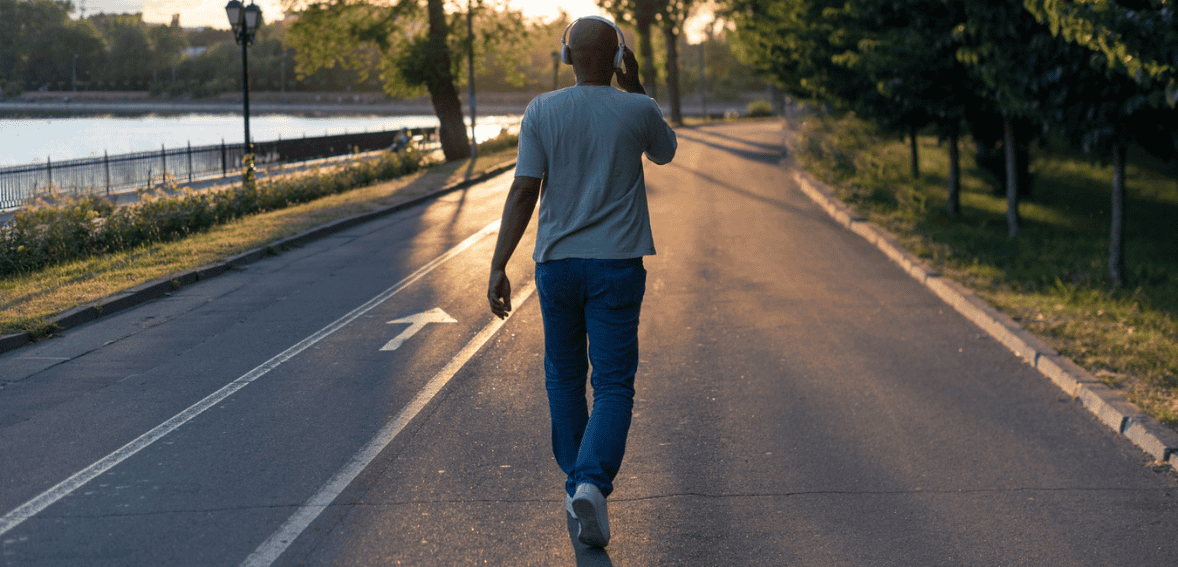
Walking meditation refers to the process of practicing total consciousness while walking. While most people walk automatically, those practicing walking meditation pay special attention to every step, the act of breathing, physical sensations, and the surrounding environment. It is not about reaching a place fast but being totally engaged in the process.
In contrast to common walking when one’s mind wanders off to the workplace, conversation, or cell phone, walking meditation requires conscious attention to the present moment through every step. Since walking is a simple exercise, walking meditation can be practiced even by those who find it difficult to meditate in the traditional way.
Why Movement Can Support Mindfulness
Many people feel restless when attempting seated meditation because their bodies naturally seek movement after long periods of sitting throughout the day. Walking meditation addresses this challenge by allowing gentle physical activity while still cultivating mindfulness.
Movement also provides a natural focus for attention. Feeling the feet touch the ground, noticing body posture, and observing breathing patterns help anchor awareness in the present rather than becoming distracted by constant thinking.
For many beginners, mindful walking feels more natural because the body remains active while the mind gradually becomes quieter.
The Connection Between Walking and Stress Reduction
Both the mind and the body are influenced by stress. The muscles get stiffened, respiration is shallow, there is an increased heartbeat rate, and thinking becomes fast-moving from one issue to the other. Walking meditation brings about a contrary effect through slowed-down movements, deep breathing, and relaxed mind.
The gentle movement of the body not only promotes healthy blood flow but also allows for physical tension that builds up as one goes about his daily activities to be released.
In terms of stress reduction measures, walking meditation proves to be unique because it involves relaxation coupled with physical exercises instead of focusing on mental concentration alone.
Improving Focus Through Awareness
Most individuals find it hard to concentrate due to their attention moving from one activity to another, distractions, worrying about things, and planning for the future. Walking meditation cultivates the practice of focusing because of its continuous effort to bring back one’s focus to one particular point; being in the present moment.
The process involves redirecting the mind every time it drifts off without any form of criticism. The constant practice eventually makes it easier for someone to develop concentration.
You Do Not Need Special Equipment
One of the greatest advantages of walking meditation is its simplicity. There is no need for expensive equipment, specialised clothing, or dedicated meditation spaces. Comfortable footwear and a safe place to walk are usually sufficient.
People can practise in parks, gardens, quiet neighbourhood streets, indoor hallways, offices, or even their own homes if outdoor spaces are unavailable. The practice adapts easily to different lifestyles and environments.
This flexibility makes walking meditation one of the most practical mindfulness exercises for busy individuals seeking manageable daily routines.
Choosing the Right Environment
Although walking meditation can be done just about anywhere, it is generally recommended that beginners choose places that are somewhat quiet and undisturbed by many external elements. Parks, walking trails, gardens, beaches, or quiet neighbourhood streets can serve as an environment where one can focus without interruptions all the time.
The natural environment can provide extra benefits since trees, birds, fresh air, and scenery can help increase sensory perception. But beautiful surroundings are not a prerequisite for the effective conduct of walking meditation practice. What matters most for walking meditation is not the environment but attention.
How to Begin Walking Meditation
It is easy to get into the practice. The moment you decide to walk, just take a break and breathe for a few moments in a slow manner. After that, you may proceed to take your first step.
While walking, observe how your feet touch the floor surface. Also, note how the weight shifts from one step to another while breathing in a relaxed manner. It will happen that thoughts will pop up from time to time, but do not try to concentrate too much.
Paying Attention to Your Breath
Breathing provides another useful focus during walking meditation. Rather than controlling every breath, simply notice its natural rhythm while continuing to walk comfortably.
Some people coordinate breathing with their steps, while others simply observe inhalation and exhalation without attempting to establish patterns. Either approach helps maintain awareness while reducing mental distractions.
Combining breathing with movement strengthens many stress relief techniques because both activities encourage calmness simultaneously.

Engaging Your Senses
Walking meditation encourages awareness beyond physical movement. Practitioners also notice sounds, temperatures, scents, colours, textures, and changing light without becoming attached to individual observations.
Listening to birds, feeling sunlight on the skin, observing leaves moving in the wind, or noticing distant sounds all help deepen present-moment awareness. There is no need to analyse these experiences. Simply noticing them is enough.
Developing this sensory awareness through mindful walking often makes everyday experiences feel richer and more meaningful.
Accepting Wandering Thoughts
Many beginners worry because their minds continue producing thoughts during meditation. In reality, this is entirely normal. The purpose of walking meditation is not eliminating thoughts but changing how people respond to them.
Whenever attention drifts toward worries, plans, or memories, gently acknowledge the distraction before returning focus to walking. There is no need for frustration or self-criticism.
This repeated practice contributes significantly to focus improvement because attention becomes more resilient over time.
Walking Meditation During Busy Days
One common misconception is that meditation requires long uninterrupted sessions. Walking meditation can be practised effectively in surprisingly short periods throughout the day.
A ten-minute walk during lunch, a mindful stroll before work, or a quiet evening walk may provide meaningful opportunities to reset mentally before continuing daily responsibilities.
Because it fits easily into existing routines, walking meditation remains accessible even for people with demanding schedules.
Physical Benefits Beyond Mindfulness
Although walking meditation primarily develops mental awareness, gentle walking also supports physical wellbeing. Regular movement encourages circulation, joint mobility, balance, posture, and cardiovascular health while reducing prolonged sitting.
Unlike intense exercise, walking meditation emphasises comfort rather than physical performance. Individuals move naturally without focusing on speed, distance, or athletic achievement.
These combined benefits make stress relief techniques involving movement especially appealing for people seeking both mental and physical wellness.
Walking Alone or With Others
Walking meditation is often practised individually because silence supports deeper concentration. However, organised mindfulness groups sometimes walk together while maintaining quiet awareness throughout the experience.
Whether practised alone or alongside others, the objective remains the same: staying present with each step rather than becoming absorbed in conversation or external distractions.
Individual mindful walking sessions also provide valuable opportunities for personal reflection and emotional balance.

Making Walking Meditation a Habit
Consistency matters more than duration when developing mindfulness. Practising for ten or fifteen minutes several times each week generally provides greater long-term benefits than occasional lengthy sessions.
Choosing regular times such as early mornings, lunch breaks, or evenings helps establish sustainable routines. Over time, mindfulness begins extending naturally into other daily activities beyond formal practice.
Regular walking meditation gradually becomes less like a scheduled exercise and more like a familiar way of experiencing everyday life.
Supporting Emotional Wellbeing
Stress, frustration, anxiety, and emotional exhaustion often build gradually through constant mental activity. Walking meditation creates opportunities to pause before these feelings become overwhelming.
Rather than avoiding difficult emotions, practitioners learn to observe them calmly while continuing to walk. This creates greater emotional awareness without becoming consumed by immediate reactions.
Many people discover meaningful focus improvement alongside increased emotional resilience because mindfulness encourages thoughtful responses rather than impulsive reactions.
Common Mistakes Beginners Make
New practitioners sometimes believe they must empty their minds completely, walk extremely slowly, or maintain perfect concentration throughout every session. These expectations often create unnecessary pressure.
Walking meditation works best when approached with patience and curiosity rather than perfectionism. Thoughts will arise, attention will wander, and some sessions will feel easier than others. This variability is completely normal.
Successful mindful walking develops gradually through consistent practice rather than flawless performance.
Bringing Mindfulness Into Everyday Walking
Formal walking meditation sessions provide valuable training, but mindfulness can also extend into ordinary daily activities. Walking through a car park, commuting to work, climbing stairs, or taking short breaks all offer opportunities to practise present-moment awareness.
Instead of automatically reaching for mobile phones or allowing the mind to wander constantly, individuals can occasionally notice breathing, footsteps, posture, and surroundings during routine walks.
Applying stress relief techniques throughout ordinary life makes mindfulness more practical and sustainable over the long term.
Conclusion
Walking meditation offers a simple yet meaningful way to slow down in an increasingly busy world. By combining gentle movement with present-moment awareness, it provides an accessible alternative for people who find traditional seated meditation difficult or intimidating. There is no need for complicated techniques or specialised equipment. A willingness to walk with awareness is enough to begin experiencing its benefits.
Regular walking meditation encourages deeper mindful walking, supports practical stress relief techniques, and gradually strengthens focus improvement by helping individuals develop greater awareness of both their thoughts and surroundings. Rather than attempting to eliminate stress completely, the practice teaches healthier ways to respond to everyday challenges with greater calmness and clarity.
As with any mindfulness practice, lasting benefits come through consistency rather than perfection. Even a few minutes of mindful walking each day can become a valuable opportunity to pause, reconnect with the present moment, and cultivate habits that support both mental wellbeing and a more balanced approach to everyday life.