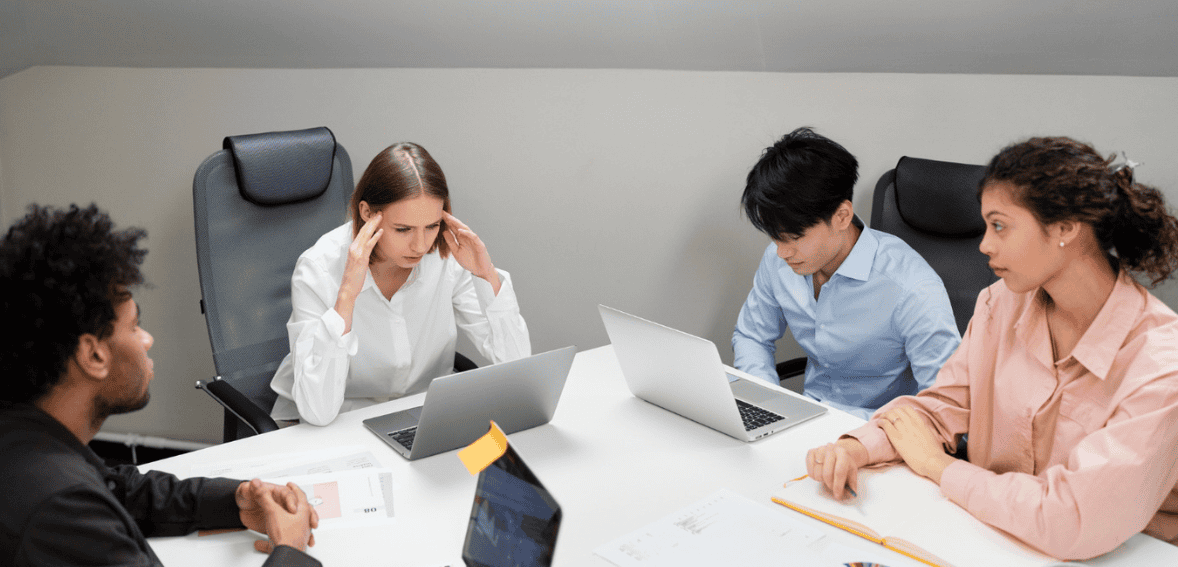
Modern workplaces are faster, more connected, and more demanding than ever before. Employees often juggle multiple responsibilities, meet tight deadlines, respond to constant emails, attend virtual meetings, and manage competing priorities throughout the day. While these demands can drive productivity, they can also create ongoing stress that affects both physical and mental wellbeing.
Workplace stress is not limited to high-pressure industries or leadership positions. It can affect employees at every level and across every profession. Over time, unmanaged stress may contribute to fatigue, reduced concentration, lower motivation, sleep disturbances, and decreased job satisfaction. It can also affect workplace relationships, decision-making, and overall performance.
Fortunately, managing workplace stress does not always require major lifestyle changes or expensive wellness programmes. Small, consistent habits such as mindfulness practices and gentle movement throughout the workday can make a meaningful difference. These approaches help employees reset mentally, reduce physical tension, and improve their ability to cope with daily challenges.
By incorporating simple strategies into everyday routines, individuals and organizations can create healthier work environments that support productivity while protecting long-term wellbeing.
Understanding Workplace Stress
Stress is the body’s natural response to demands or challenges. In moderation, stress can improve focus, motivation, and performance by encouraging people to respond quickly to important situations. However, when stress becomes constant or overwhelming, it begins to affect both physical and emotional health.
Workplace stress management starts with recognizing that stress is not always caused by one major event. More often, it develops gradually through ongoing pressure, heavy workloads, unclear expectations, frequent interruptions, or limited opportunities to recover during the workday.
Every employee experiences stress differently. Some people thrive in fast-paced environments, while others become overwhelmed by constant multitasking or changing priorities. Personal circumstances outside work can also influence how workplace pressures are experienced.
Understanding individual responses to stress is an important first step toward developing healthier coping strategies that support both performance and wellbeing.
Common Causes of Workplace Stress
Many factors causing stress at work can be considered quite ordinary for various sectors. Deadlines, too much workload, communication problems, changes in organizations, and unrealistic demands are among those factors that usually cause stress among employees.
New technologies have also affected the way people work. Smart phones, social media, and telecommuting sometimes make the line between work and private life invisible. People often find themselves pressured to always stay available, which makes it hard to relax.
A long time of sitting down can also lead to physical strain and tiredness. Lack of physical activity often results in increased muscle tension, low energy levels, and poor concentration at work.
Workplace stress management should involve understanding the aspects of both mental and physical factors contributing to the problem.
How Stress Affects Physical Health
Stress affects much more than simply one’s emotional health. If the body continues to remain stressed out, the stress responses in the body will kick in that are designed for the purpose of surviving rather than living healthy.
Some of the symptoms of high stress levels are muscle tension, headaches, digestive problems, fatigue, rapid heartbeat, and inability to sleep properly. The employees who spend time working while sitting down are also likely to develop aches in their necks, shoulders, and backs due to the stress at work.
Symptoms like these have an effect on the performance of the employees in terms of making the process of focusing on tasks more challenging. The techniques which combine movement and relaxation are very useful to combat the effects of stress on the physical level.
The Connection Between Mind and Body
Mental and physical wellbeing are closely connected. Emotional stress often produces physical tension, while physical discomfort can increase feelings of frustration and anxiety.
Employees who spend hours sitting at desks frequently experience tight muscles, reduced circulation, and stiffness. These physical symptoms may contribute to mental fatigue even when workloads remain manageable.
Gentle exercise helps release accumulated muscle tension while improving circulation and increasing energy levels. Mindfulness practices, meanwhile, help calm racing thoughts and improve emotional awareness.
Combining both approaches creates a more comprehensive workplace stress management strategy than relying on either technique alone.
Recognizing the relationship between physical movement and mental wellbeing allows employees to respond more effectively to everyday pressures.
What Mindfulness Really Means
Mindfulness is the state of being aware of the present moment, instead of being consumed by the past or the future. Contrary to popular belief, being mindful doesn’t involve hours of meditating or silencing your mind completely.
In the workplace, mindfulness at work typically entails a set of activities that allow employees to stop, reflect, control their breathing, and re-focus their minds.
This makes it possible to catch and break the chain of the stressful response before it becomes too overwhelming. Employees will be able to detect stressors, react appropriately, and keep their emotions in check when the going gets tough.
Furthermore, mindfulness enhances the ability to concentrate by helping people avoid distractions that do not contribute to their work. Instead of switching from worry to task and back, people start concentrating on what’s right in front of them.
Simple Mindfulness Practices During the Workday
People have an impression that mindfulness involves the creation of specific places for the practice and considerable breaks from work.
In fact, such practices, which take only several minutes, will be enough. People may perform the practice of mindful breathing before some important meetings, pause after some discussions, or just observe their physical sensations for a minute.
The practice of mindfulness includes focusing on the processes that happen around us. For instance, drinking coffee, going from one meeting room to another, or just checking out some documents may be used as an occasion to slow down your thoughts rather than act quickly from one thing to another. Thus, regularity is more important than the amount of time spent practicing mindfulness.
The Value of Gentle Exercise
Exercise does not always need to involve intense workouts or lengthy gym sessions. Gentle movement throughout the workday provides important physical and mental benefits without requiring significant time commitments.
Walking, stretching, shoulder rolls, neck mobility exercises, light yoga movements, or standing briefly between tasks all contribute to improved wellbeing.
Movement breaks help reduce muscle stiffness while increasing blood circulation and oxygen delivery throughout the body. Many employees also report improved concentration after short periods of physical activity.
Office stress relief often begins with simply interrupting prolonged sitting rather than attempting major fitness programmes during working hours.
Small amounts of movement repeated consistently throughout the day often produce greater benefits than occasional longer exercise sessions.
Why Movement Breaks Matter
Modern office environments encourage prolonged sitting, often for several consecutive hours. While technology improves efficiency, it also reduces natural movement that previously occurred during daily work activities.
Movement breaks provide opportunities to interrupt sedentary behaviour before discomfort accumulates. Standing, stretching, or walking for just a few minutes helps reduce physical fatigue while refreshing mental focus.
These breaks also encourage employees to step away briefly from screens, reducing visual strain and mental overload.
Many organizations now recognize movement breaks as practical workplace wellness strategies rather than unnecessary interruptions.
Encouraging regular movement supports healthier employees while maintaining productivity throughout the workday.

Building Healthy Daily Habits
Managing stress successfully depends less on occasional interventions and more on consistent daily habits. Small actions repeated regularly often produce lasting improvements over time.
Employees can begin each morning with a few minutes of stretching, schedule regular movement breaks throughout the day, practice mindful breathing before important meetings, and finish work by creating clear boundaries between professional and personal time.
Workplace stress management becomes more effective when healthy routines become automatic rather than requiring constant motivation.
Simple habits are also easier to maintain during busy periods because they require minimal planning or preparation.
Gradual improvements often prove more sustainable than dramatic lifestyle changes.
Creating Supportive Workplace Cultures
Individual strategies remain important, but organizational culture also influences stress levels significantly. Workplaces that encourage open communication, reasonable workloads, regular breaks, and employee wellbeing create healthier environments overall.
Managers play important roles by modelling healthy behaviours themselves. Taking movement breaks, respecting work-life boundaries, and encouraging realistic expectations demonstrate that wellbeing is genuinely valued.
Mindfulness at work can also be supported through quiet spaces, flexible scheduling where appropriate, and employee wellness initiatives.
Organizations that prioritize employee health often benefit from improved engagement, stronger teamwork, and higher job satisfaction.
Healthy workplace cultures support both organizational performance and individual wellbeing.
Balancing Productivity and Wellbeing
Some people worry that taking breaks reduces productivity. Research and practical experience often suggest the opposite. Short recovery periods frequently improve concentration, creativity, and decision-making.
Employees who remain mentally and physically refreshed often complete tasks more efficiently than those attempting to work continuously without rest.
Office stress relief practices help maintain energy levels throughout the day, reducing afternoon fatigue and improving sustained performance.
The objective is not working less but working more effectively by supporting physical and mental health.
Balanced work habits contribute to both immediate productivity and long-term career sustainability.
Long-Term Benefits of Mindfulness and Gentle Exercise
The advantages of mindfulness and movement extend beyond immediate stress reduction. Over time, these practices help individuals develop greater emotional resilience, improved concentration, stronger self-awareness, and healthier responses to challenging situations.
Regular movement supports cardiovascular health, flexibility, posture, and overall physical wellbeing. Mindfulness strengthens attention, emotional regulation, and communication skills.
Movement breaks also contribute to healthier workplace routines by encouraging employees to care for their bodies throughout the day rather than waiting until discomfort becomes severe.
Together, these approaches create a comprehensive foundation for sustainable workplace stress management that benefits employees both professionally and personally.
Long-term consistency produces lasting improvements that extend well beyond the office.
Practical Tips for Getting Started
Beginning a stress management routine does not require major commitments. Employees can start with one or two simple practices and gradually expand over time.
Scheduling short movement breaks every hour, practicing mindful breathing before meetings, stretching during phone calls, or taking brief walks during lunch breaks all provide realistic starting points.
Mindfulness at work becomes easier when integrated into existing routines rather than added as separate responsibilities.
The goal is creating habits that fit naturally within individual work styles and organizational environments.
Small, manageable changes are often the most successful because they remain sustainable over the long term.
Conclusion
Workplace stress has become a common challenge across many industries, affecting employee wellbeing, productivity, and job satisfaction. While some workplace pressures cannot be eliminated entirely, individuals and organizations have numerous opportunities to manage stress more effectively through simple daily practices.
Workplace stress management does not require complicated solutions. Mindfulness at work helps employees develop greater awareness, emotional balance, and mental focus, while gentle exercise and regular movement breaks reduce physical tension and improve energy levels throughout the day.
Office stress relief strategies work best when practiced consistently rather than only during particularly stressful periods. Small habits such as stretching, walking, mindful breathing, and taking brief movement breaks contribute to healthier work routines that support both physical and emotional wellbeing.
By encouraging these practical approaches, organizations create environments where employees feel better equipped to handle challenges while maintaining productivity and long-term health. In today’s demanding workplaces, caring for mental and physical wellbeing is no longer simply a personal choice. It is an essential part of sustainable professional success.