Stress has become a common part of modern life. Busy work schedules, family responsibilities, financial concerns, and the constant flow of information can leave people feeling mentally and physically exhausted. While occasional stress is a natural response that helps us deal with challenges, ongoing stress can affect sleep, mood, energy levels, concentration, and overall health. This is why many people are searching for healthy and sustainable ways to manage daily pressure rather than simply coping with it.
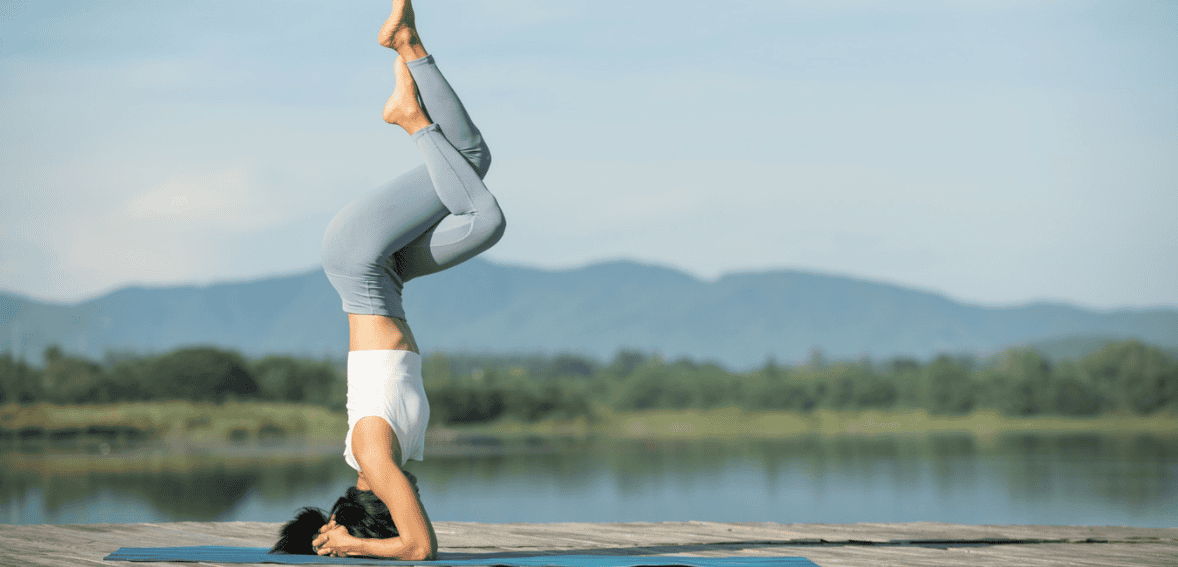
The most beneficial technique that can be used involves movement and intention. Soft activities such as yoga, stretching, and any other techniques that involve mindful movement not only provide physical benefits but help to relax the nervous system, increase flexibility, promote better breathing and provide an opportunity to get into a state of clear mind several times a day. Such activities are appropriate for individuals regardless of age and physical condition and can therefore easily be incorporated in their daily schedule.
The interest in yoga as a stress management method, regular stretching, movement therapy, and mind-body wellness is increasing every year and proves that the relationship between our physical and psychological health is very tight. By combining movement, breathing control, and mindfulness, a person gets a powerful tool that helps to reduce stress naturally.
Understanding the Connection Between Stress and the Body
Stress does not affect only the mind. It creates noticeable physical changes throughout the body. When a stressful situation arises, the brain activates the body’s fight or flight response. Stress hormones such as cortisol and adrenaline increase, the heart beats faster, muscles tighten, and breathing becomes quicker. These responses are useful during emergencies, but they become harmful when stress continues for weeks or months.
Many people experience physical symptoms without realising that stress is the underlying cause. Tight shoulders, neck stiffness, headaches, lower back discomfort, digestive issues, and constant fatigue often develop because muscles remain tense for long periods. Poor posture caused by sitting at a desk or looking at screens for hours can make these symptoms even worse.
Movement provides the body with an opportunity to interrupt this cycle. Gentle stretching, mindful breathing, and slow, controlled movements help release muscular tension while signalling to the nervous system that it is safe to relax. Instead of remaining trapped in a constant state of alertness, the body gradually shifts into recovery mode. This is one of the reasons why people who practise yoga for stress relief often describe feeling lighter, calmer, and more refreshed after a session, even if the practice itself is not physically demanding.
Why Movement Plays an Important Role in Stress Management
Many people associate stress relief with resting on the sofa or watching television after a long day. While relaxation has its place, remaining inactive for extended periods does not always reduce physical tension or mental fatigue. Gentle movement often provides better results because it encourages both the body and the mind to reset.
Movement increases the blood flow, making the supply of oxygen and nutrients to muscle tissues and other organs easier. Moreover, movement stimulates the production of endorphins; substances which make you feel better and help cope with pain. While vigorous physical exercises are difficult for many people, purposeful movements bring all these advantages without overworking your body.
Another thing is being aware. When people experience stress, their minds switch quickly from one concern to another. Movement forces the mind to focus on breathing, posture, and bodily feelings. That way, people get rid of unnecessary mental noise and have an opportunity to rest from constant worrying. According to many specialists, even ten to fifteen minutes of purposeful movement are enough to help regulate emotions and increase concentration.
All the aforementioned facts explain why nowadays there is such popularity of movement therapy in the spheres of medicine and wellness programs.
How Yoga Helps Calm the Nervous System
Yoga combines physical postures, breathing techniques, and mindfulness into a single practice. Unlike traditional exercise programmes that often focus mainly on strength or endurance, yoga encourages people to move slowly while paying close attention to their breathing and body alignment. This combination creates a unique effect on the nervous system.
During yoga practice, breathing becomes slower and deeper. Deep breathing activates the parasympathetic nervous system, which is responsible for rest and recovery. As breathing slows, heart rate decreases, muscles begin to relax, and stress hormone levels gradually reduce. Over time, regular practice helps the body respond to stressful situations more calmly.
Yoga also improves body awareness. Many people hold tension without noticing it until they begin moving through different poses. Gentle stretches encourage the release of tight muscles while improving posture and flexibility. Better posture alone can improve breathing efficiency and reduce physical discomfort associated with prolonged sitting.
For people experiencing everyday pressure from work, parenting, or studies, yoga for stress relief offers both immediate and long-term benefits. Even a short daily practice can become a valuable routine that supports better emotional balance while improving physical wellbeing.
Stretching as a Simple Way to Release Daily Tension
Stretching is one of the simplest forms of exercise to incorporate into a daily routine since there is no need for special equipment and it can be done almost anywhere. Nevertheless, despite the simplicity of the process, regular stretching exercises will definitely have an impact on the body after a hard day.
Tight muscles affect the body by making the blood circulation worse and the movements become uncomfortable. Gentle stretching exercises allow increasing the flexibility of muscles and help the body relax. Stretches for neck, shoulders, spine, and hamstrings work well when people sit for a long time at work or in the car.
Besides the flexibility of muscles, regular exercise brings many other benefits. For example, it stimulates slow breathing and this way it promotes relaxation. The practice gives a break in a busy routine that allows the brain to stop thinking about all the problems and concentrate more on something else. People often feel that their concentration improves after several minutes of exercising.
Regular stretching also helps get better sleep at night. As a result of relaxing muscles and slow breathing, the body gets ready for sleep without any mental restlessness.
The Science Behind Mindful Movement
Research is still underway to discover how mindful movements have such a positive impact on the levels of stress. Although exercise itself is beneficial for good health, the combination of movement and deliberate breathing seems to result in some psychological perks.
According to neuroimaging, mindfully practicing results in decreased activity in brain areas responsible for anxiety and emotional reactions and increased activity in the regions of attention and emotional control. Meanwhile, regular movements improve blood flow to the brain thus enhancing memory and concentration functions.
Hormonal alterations have an impact as well. Stress leads to high levels of the hormone cortisol, which causes tiredness, extra pounds, and insomnia. It is thought that gentle movement combined with breathing helps to normalize hormonal levels. Although exercising is not able to deal with all causes of stress, it helps one to restore after experiencing something stressful much quicker.
All these discoveries give rise to the development of the concept of mind-body wellness, which treats mental and physical health as inseparable aspects of a person’s wellness. In this approach, people try to take care not of particular symptoms but of themselves.

Movement Therapy and Emotional Wellbeing
The concept of movement therapy goes beyond ordinary exercise. It recognises that emotions are often expressed physically through posture, breathing patterns, muscle tension, and body language. By changing the way people move, therapists can also influence emotional wellbeing.
Movement therapy is used in hospitals, rehabilitation centres, mental health clinics, and community wellness programmes. Sessions may involve stretching, breathing techniques, gentle dance movements, yoga-inspired exercises, or guided physical awareness activities depending on individual needs.
One reason this approach works is that movement encourages emotional expression without relying entirely on conversation. Some people find it easier to process difficult emotions while moving rather than sitting still. Gentle movement also increases confidence by helping individuals reconnect with their bodies in a positive and supportive way.
Although professional guidance is valuable in some situations, many of the principles behind movement therapy can be practised independently through mindful stretching, yoga, and breathing routines. Regular movement creates a healthy relationship between physical activity and emotional resilience, helping people feel more capable of handling life’s everyday challenges.
Building a Daily Routine That Supports Mental Calm
Creating a stress management routine does not require hours of free time or advanced fitness skills. Small daily habits often produce the greatest long-term benefits because they are easier to maintain consistently.
Starting the morning with gentle stretching can reduce stiffness that develops during sleep while preparing both body and mind for the day ahead. Midday movement breaks help counteract the effects of prolonged sitting and improve concentration during work or study. Evening yoga sessions encourage relaxation before bedtime and make it easier to transition from busy schedules to restful sleep.
The key is consistency rather than perfection. Even fifteen minutes of intentional movement performed several times each week can gradually improve flexibility, mood, energy levels, and stress resilience. People often discover that once movement becomes part of their routine, they begin looking forward to these moments as valuable opportunities to recharge.
Combining stretching exercises with breathing techniques creates an especially effective routine because physical relaxation and mental calm develop together rather than separately.
Breathing Techniques That Enhance Movement
Breathing is often overlooked during daily life. Under stress, many people breathe quickly and shallowly without noticing. This pattern reinforces feelings of anxiety because the body interprets rapid breathing as a sign of danger.
Mindful movement encourages slower, deeper breathing that fills the lungs more completely. As oxygen intake improves, muscles receive better nourishment and the nervous system begins shifting toward relaxation. Controlled breathing also helps maintain focus during movement, preventing the mind from returning immediately to stressful thoughts.
Simple breathing practices can be combined with yoga poses or gentle stretches. Inhaling while lengthening the spine and exhaling while releasing tension allows movement and breath to work together naturally. This coordinated approach strengthens the connection between physical awareness and emotional regulation.
People interested in mind-body wellness often find that breathing techniques become useful outside formal exercise sessions as well. Slow breathing can be practised before important meetings, during stressful conversations, or whenever anxiety begins to build throughout the day.
Making Movement Accessible for Everyone
One of the greatest strengths of mindful movement is its accessibility. Unlike specialised fitness programmes, yoga and stretching can be adapted for people of different ages, abilities, and health conditions. Beginners do not need exceptional flexibility or athletic ability to experience meaningful benefits.
Chair yoga provides an excellent option for older adults or individuals with mobility limitations. Gentle stretching routines can be performed while standing, sitting, or lying down depending on comfort levels. Children also benefit from playful movement activities that improve focus while helping them manage emotional challenges.
Workplaces increasingly encourage movement breaks because employers recognise the connection between physical wellbeing and productivity. Schools have also begun incorporating stretching and mindfulness activities into classrooms to improve student concentration and emotional regulation.
The flexibility of these practices allows individuals to choose routines that fit their own lifestyle rather than following rigid exercise programmes. Whether someone has five minutes or an hour available, movement can still become a valuable part of stress management.
Long-Term Benefits Beyond Stress Relief
Although many people begin practising yoga or stretching to manage stress, they often discover additional health improvements over time. Better flexibility reduces the risk of muscle strain while improving everyday movement. Increased balance and coordination support healthy ageing, and improved posture reduces discomfort associated with sedentary lifestyles.
Regular movement also contributes to cardiovascular health, joint mobility, digestive function, and respiratory efficiency. Emotionally, people frequently report greater patience, improved concentration, higher self-confidence, and a more positive outlook on daily life.
The combination of these physical and emotional improvements demonstrates why yoga for stress relief, movement therapy, and mind-body wellness continue gaining popularity around the world. Rather than providing only temporary relaxation, they encourage lasting lifestyle habits that support overall wellbeing.
Most importantly, these practices remind us that managing stress does not always require complicated solutions. Sometimes the simple act of slowing down, breathing deeply, and moving with intention can create meaningful changes that improve both physical health and emotional resilience.
Conclusion
Stress is an unavoidable part of life, but the way we respond to it can make a significant difference to our overall health and happiness. Movement-based practices offer a practical, natural, and sustainable way to reduce the physical and emotional effects of everyday stress. By combining gentle movement with controlled breathing and present-moment awareness, these activities help the body relax while allowing the mind to regain clarity and balance.
Whether someone chooses yoga, daily stretching, or other forms of mindful movement, the benefits extend far beyond temporary relaxation. Better flexibility, improved posture, deeper breathing, stronger emotional resilience, and healthier sleep all contribute to a greater sense of wellbeing. Regular stretching exercises, thoughtful movement therapy, and a focus on mind-body wellness can gradually transform how people experience daily challenges.
The journey does not require expensive equipment or advanced skills. It begins with a willingness to move, breathe, and pay attention to the body’s needs. Over time, these small daily actions can become powerful habits that support healthier living and provide lasting relief from the pressures of modern life.