Stress has become an almost unavoidable part of modern life. Deadlines at work, financial responsibilities, family obligations, social expectations, and the constant stream of information from digital devices can leave people feeling overwhelmed. While a certain amount of stress is a normal part of life, prolonged stress can affect both physical and mental well-being. It can interfere with sleep, reduce concentration, impact mood, and contribute to various health concerns over time.
In times when people experience stress, they tend to look for easy fixes to their issues. This includes resorting to entertainment, online communication, comfort foods, and ignoring their own feelings. However, while these methods might be helpful in distracting oneself from negative thoughts, they do not necessarily affect the physical responses to stress that our body undergoes. The most efficient way of dealing with stress is, surprisingly, simple movement.
Movement does not have to involve going to the gym or performing difficult workouts; instead, one can opt to go for a walk, stretch, dance, ride a bike, swim, do yoga, garden, or choose any other kind of activity that helps release built-up tension and contribute to improving one’s state of mind. Movement for stress relief is one of the best practices known, which makes physical exercise an easy tool to handle stress.
Understanding How Stress Affects the Body
Stress is not just an emotional experience. It triggers a series of physical reactions throughout the body. When a person encounters a stressful situation, the brain signals the release of hormones such as cortisol and adrenaline. These hormones prepare the body to respond quickly to perceived threats.
This response, often called the fight-or-flight reaction, can be useful during short-term emergencies. Heart rate increases, breathing becomes faster, muscles tighten, and energy is redirected toward immediate survival needs. While this response was valuable for early humans facing physical dangers, modern stressors are often very different.
Today, stress may result from workplace demands, financial concerns, traffic congestion, or relationship challenges. Although these situations rarely require physical action, the body’s biological response remains largely unchanged. As a result, stress hormones may remain elevated for extended periods.
When stress becomes chronic, it can contribute to fatigue, headaches, muscle tension, digestive issues, sleep disturbances, and reduced immune function. This is where movement for stress relief becomes particularly valuable. Physical activity helps the body process and regulate the physiological changes associated with stress, creating a healthier balance.
Why Movement Works as a Natural Stress Reliever
The effectiveness of movement comes down to its direct impact on the physical mechanisms through which we experience stress. In other words, moving can help us harness the extra energy produced by our bodies due to stress hormones.
Physical activities stimulate our brain to produce substances like endorphins, dopamine, and serotonin. These substances usually are responsible for feelings of happiness, relaxation, and better mood. Thus, physical activity can have a soothing effect on our bodies.
Physical movement can also stimulate deep breaths and increased circulation. This means that we will be able to receive more nutrients and oxygen across our bodies, and at the same time get rid of harmful metabolic waste.
Finally, the link between physical activity and psychological well-being can be particularly seen in the context of consistent movements. People who move regularly tend to experience less stress and show increased emotional resilience. Physical movement does not distract us from stressful thoughts; it helps regulate physiological systems which are affected by stress.
The Mind-Body Connection and Emotional Well-Being
Physical exercise affects not only the muscles and joints but also impacts emotional regulation. There is constant communication between the mind and the body, and exercise helps improve this process.
The effect of physical activity on emotions becomes obvious when one starts to think more clearly after walking or exercising. Increased blood flow to the brain stimulates thinking processes and makes a person feel more mentally energized. Therefore, physical activity gives one additional space to think and see problems from different angles.
Exercising is closely connected to psychological well-being because physical exercise allows one to take a break from worries. When exercising, one usually concentrates on breathing, movements, or even surroundings. Such a focus diverts attention from worries and gives one a chance to relax. Moreover, physical activity is usually associated with success and accomplishment because one has done something good for oneself. Thus, one feels more confident about oneself and one’s own abilities.
Walking: The Most Accessible Stress Management Tool
Among different types of physical exercises, walking is one of the easiest and most effective ways to keep fit. It does not require any special equipment and is easily performed everywhere, regardless of the person’s fitness level.
When performing this kind of exercise, people engage into rhythmic movements, even breathing, and get some cardiovascular training. Moreover, walking allows them to relax and forget about troubles that bother them. For many, it will be beneficial when done outdoors because then people get enough fresh air and natural light.
Numerous studies proved walking is one of the best ways of managing stress for the majority of people. Walking helps people cope with stress who do not have sufficient knowledge in terms of exercising and are afraid of gym workouts.
Moreover, walking helps develop self-reflection. People will have time not to think about their problems but to concentrate on the environment around them and forget about stress. Thus, walking is one of the most sustainable ways to relieve oneself from stress.
Strength Training and Stress Reduction
Even though walking is very beneficial, strength training can be equally important in the process of managing stress. Weightlifting, exercising with bands, or even performing some body weight exercises will force your body and mind into a certain level of resistance.
Lifting weight requires focus and concentration. The moment you start lifting, all your attention goes into the performance of specific movements and breathing techniques. That will distract you from your current problems and worries.
Also, engaging in strength training on a regular basis will increase your level of confidence. When you feel physically stronger, you will have a feeling of control over yourself and life circumstances around you. That will change your attitude towards different stressors.
The effect of exercise on mental state goes far beyond improving mood. In addition to boosting the feeling of well-being, weightlifting may help you feel less anxious and improve self-confidence and self-respect. In other words, resistance exercise will become a valuable part of the whole stress management process.
The Role of Yoga and Mindful Movement
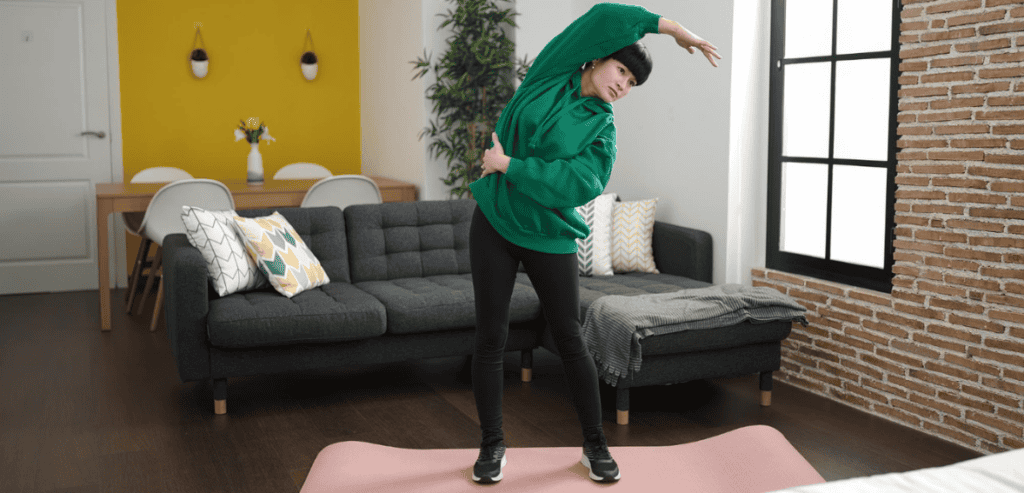
Not all movement needs to be intense to be effective. Practices such as yoga, tai chi, and stretching offer unique benefits by combining physical activity with mindfulness and controlled breathing.
Yoga, in particular, has gained widespread recognition as a valuable tool for stress reduction. It encourages participants to focus on posture, breath, and body awareness. This combination helps calm the nervous system and reduce physiological tension.
Mindful movement practices support physical wellness by improving flexibility, balance, and mobility while also promoting relaxation. They encourage individuals to become more aware of how stress manifests within the body and how it can be released through intentional movement.
These activities can be especially beneficial for individuals experiencing high levels of mental fatigue or emotional strain. By slowing down and focusing attention inward, people often develop greater awareness of their thoughts and emotions.
The gentle nature of mindful movement makes it accessible to people of varying ages and fitness levels, further reinforcing its value as a long-term stress management approach.
How Physical Activity Improves Sleep Quality
There is a strong correlation between stress and sleep because excessive stress often makes falling asleep quite challenging. Simultaneously, poor sleep makes an individual more susceptible to stress factors that occur in their everyday life. Thus, it may be rather challenging to overcome this vicious circle.
It is quite effective to use physical activity as means of enhancing sleep quality because exercise facilitates proper regulation of circadian rhythms and ensures improved sleep. At the same time, better sleep positively influences the body’s capability of handling stress.
It should also be acknowledged that physical activity coupled with good sleep results in better functioning of both the brain and emotional spheres.
Individuals that regularly take part in different kinds of activities often feel sleepy and experience higher levels of energy after falling asleep quickly and waking up well-rested.
Social Benefits of Movement and Stress Relief
Many forms of physical activity also provide opportunities for social connection. Group fitness classes, recreational sports, walking groups, and community events allow individuals to engage with others while being active.
Social support is a well-known protective factor against stress. Meaningful interactions with friends, family members, or community groups can reduce feelings of isolation and provide emotional encouragement during difficult times.
Participating in shared stress management activities often creates a sense of belonging and accountability. People may feel more motivated to remain active when they have social support and shared goals.
The combination of movement and social interaction can be especially powerful. Physical activity improves mood through physiological mechanisms, while social connection contributes to emotional well-being through interpersonal support. Together, these factors help strengthen resilience and improve overall mental health.
Building Consistency Rather Than Chasing Intensity
One misunderstanding is that stress reduction needs vigorous exercises sessions. The key factor here is not intensity but regularity.
Moderate exercise done consistently often yields better results than sporadic workouts at high intensity. Consistent activity leads to sustainable changes in body and mind.
Many give up their exercise regime as soon as the goals prove unrealistic. It makes sense to concentrate on forms of exercise that are pleasurable and thus will become a consistent practice.
Walking, cycling, swimming, dancing, and gardening are some examples of activities that promote health and reduce stress.
Exercise does not necessarily require a strict workout schedule or high intensity. The best movement plan is one that fits into a person’s lifestyle easily. Regular physical activity helps reduce stress effectively.
Movement as a Long-Term Investment in Health
Stress management is not only about feeling better in the moment. It is also about protecting long-term health. Chronic stress has been associated with increased risks for cardiovascular disease, metabolic disorders, weakened immunity, and mental health challenges.
Regular physical activity helps address many of these concerns simultaneously. It supports heart health, improves metabolic function, strengthens muscles and bones, and enhances emotional well-being.
Movement for stress relief becomes even more valuable when viewed as a long-term investment rather than a short-term solution. The benefits accumulate over time, contributing to greater resilience and overall quality of life.
Individuals who maintain active lifestyles often report higher energy levels, better emotional balance, and improved ability to navigate life’s challenges. These advantages extend far beyond physical fitness alone.
As people age, continued movement also helps preserve independence, mobility, and cognitive function, making it one of the most comprehensive health strategies available.
Creating a Personal Stress Relief Routine
Establishing a stress reduction exercise regime does not necessarily involve any major life alterations. Rather, small and reasonable steps have the highest chances of yielding positive results in the long run.
Firstly, it is vital to determine what type of movement feels pleasurable and feasible. While some people favor working out at a gym, others may enjoy walking, dancing, jogging, or playing sports. This is one of the factors which greatly influence success in following an exercise regime.
Incorporating exercises into your weekly schedule will facilitate their implementation. Short sessions can already be sufficient to improve one’s mood and relieve stress. Eventually, such activities will simply become a natural part of daily life.
Moreover, combining various types of movement can also be helpful in relieving stress. Walking, weight lifting, stretching, and other types of exercises provide different benefits for our body.
Most importantly, people must perceive exercises as a means of taking care of oneself, rather than a mere task. Adopting this point of view will allow individuals to make the most out of physical activity.
Conclusion
Stress is an unavoidable part of life, but how people respond to it can significantly influence their health and happiness. Among the many strategies available for coping with stress, physical movement remains one of the most effective, accessible, and sustainable options.
Whether through walking, strength training, yoga, sports, or other stress management activities, movement helps regulate the body’s stress response, improve mood, enhance sleep quality, and support emotional resilience. The strong connection between exercise and mental health demonstrates that physical activity benefits far more than the body alone.
Movement for stress relief is not about achieving athletic performance or following rigid fitness programmes. It is about giving the body an opportunity to release tension, restore balance, and function as it was designed to. At the same time, regular activity contributes to broader physical wellness by supporting cardiovascular health, cognitive function, and long-term vitality.
In a world where stress is increasingly common, incorporating regular movement into daily life may be one of the simplest and most powerful steps a person can take toward better health, greater resilience, and a more balanced state of mind.