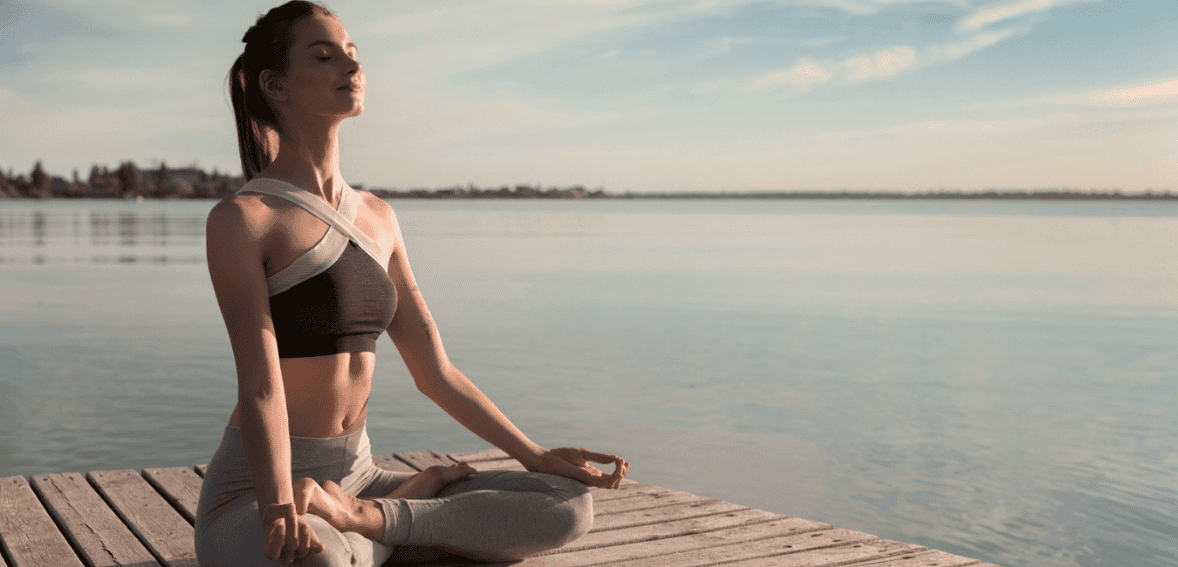
For many people, the word meditation brings to mind an image of someone sitting perfectly still with closed eyes in complete silence. While this image is common, it can also discourage those who find it difficult to remain motionless even for a few minutes. Some people feel restless, others become distracted by racing thoughts, and many simply feel uncomfortable sitting quietly. If you have ever tried meditation and thought, “This isn’t for me,” you are certainly not alone.
The truth is that meditation is much more flexible than many people realise. It is not about forcing the body to stay perfectly still or emptying the mind of every thought. Instead, meditation is about developing awareness, improving focus, and creating moments of calm in ways that suit your personality and lifestyle. There are many approaches designed specifically for people who prefer movement, variety, or shorter periods of practice.
Whether through walking, stretching, breathing exercises, or mindful daily activities, meditation can become an accessible part of everyday life. Understanding different techniques allows anyone to enjoy the benefits of meditation for beginners, explore forms of active meditation, practise mindful breathing, and discover practical stress reduction methods that feel natural rather than restrictive.
Why Sitting Still Feels Difficult for Some People
All people do not get relaxed by remaining stationary all the time. Modern living conditions tend to be quite active in terms of motion, multitasking, and constant stimulation of our brain. We are occupied by different thoughts associated with our job, family, social network activity, new information, and so on. Therefore, when silence sets in, we get focused on our thoughts, instead of getting relaxed.
There are people who deal with their feelings through motion, not stillness. Also, some people find being seated in a lotus position or staying motionless uncomfortable. Moreover, there are people whose characters like being active, thus traditional meditation appears to be unpleasant for them.
This understanding is significant since it must be clear that meditation must help to improve people’s well-being instead of creating additional stress. It must fit every person.
Rethinking What Meditation Really Means
Many misconceptions prevent people from exploring meditation. One of the biggest myths is that meditation requires a completely empty mind. In reality, thoughts naturally arise during meditation. The goal is not to stop thinking but to notice thoughts without becoming overwhelmed by them.
Meditation is essentially the practice of paying attention with intention. This attention may focus on breathing, movement, sounds, sensations, or even everyday activities. The method matters less than the quality of awareness being developed.
This understanding makes meditation for beginners far more approachable. Rather than striving for perfection, beginners can focus on gradually strengthening attention and self-awareness through practices that feel comfortable and sustainable.
Starting with Short Sessions
One such error would be trying to meditate for long periods right from the start. Spending thirty minutes sitting quietly might be too challenging for a total beginner. Starting off with a few minutes, say, two to five minutes, might work better.
Spending less time makes one less nervous about the task and also allows the brain to get used to moving at a slower pace. The more relaxed you feel, the easier it gets, and people often find themselves extending their meditation time without even trying to. For any beginner looking into meditation, frequency is far more important than length.
Exploring Active Meditation
There are those who find that they are able to be more at peace with themselves while in motion than when sitting still. Active meditation involves physical action with mindfulness practice, thereby incorporating both the body and mind into the practice.
An example of active meditation would be walking meditation. Rather than engaging in quick movements from one point to another, the attention is placed on each step, breathing, movement, and the sounds around the individual.
This practice allows many individuals to find that the active approach to meditation is much easier to achieve as movement can be used as a way to focus the mind.
Walking as Meditation
Walking offers one of the easiest ways to begin meditating without sitting still. Whether in a park, garden, quiet street, or even indoors, mindful walking encourages awareness of movement instead of rushing through daily routines.
Rather than thinking about future tasks or replaying past conversations, attention returns repeatedly to footsteps, breathing, posture, and the feeling of the ground beneath the feet. Natural surroundings can further enhance relaxation through fresh air, sunlight, and calming scenery.
Walking meditation demonstrates that mindfulness does not require complete stillness. Instead, awareness simply moves alongside the body, creating moments of calm through gentle physical activity.
Using Mindful Breathing Throughout the Day
Although breathing is automatic, it is also one of the easiest meditation aids that can be used. Mindful breathing requires concentration on each breath without trying to control the breathing process.
Breathing exercises can be done anytime and anywhere, whether one is stuck in traffic, in a line somewhere, at one’s work desk, or prior to a meeting. With time, it helps develop concentration skills without feeling overwhelmed. Mindful breathing can help develop stress awareness too since many people realize that when they feel stressed, their breathing tends to be shallow.
Stretching with Awareness
The process of gentle stretching also provides an easy way of meditation for individuals having difficulty sitting in one place for long periods. Instead of just doing the stretches, attention is paid to the sensations felt in the body, breathing, and movements of the muscles.
Stretching slowly and intentionally helps to relax while gaining more awareness of the body. For example, tight shoulders, hip, or neck muscles indicate stored-up stress. In addition, stretching can be combined with breathing, thus becoming a calming exercise.
Turning Everyday Activities into Meditation
Meditation is not always dependent upon meditation sessions. Any ordinary act of life may turn out to be a meditation act provided one practices them with complete focus.
From washing dishes, cooking food, drinking tea, gardening, doing laundry, and even taking bath, one may easily get into a state of meditation by concentrating totally on the physical sensations, sounds, and movements associated with it. This makes meditation for newbies an easy task since they do not have to change their way of life but only practice in their daily routine what they are already doing.
Using Music and Sound
Silence feels peaceful for some people but uncomfortable for others. Gentle instrumental music, nature sounds, rainfall recordings, or flowing water may help create a more welcoming meditation environment.
Listening meditation involves focusing completely on sound without analysing or judging it. Attention follows changing tones, rhythms, or natural patterns while gently returning whenever the mind wanders.
Sound-based practices provide another form of active meditation because attention remains engaged rather than struggling against complete silence.
Body Scan Meditation
It is possible that some individuals will find it more difficult to concentrate on mental thoughts than on their physical sensations. The body scan meditation takes one’s concentration progressively through various parts of the body while taking note of any physical sensation, such as tension, warmth, pressure, and relaxation, without making changes immediately.
By starting at the feet and working up to the head, an individual will gain more physical awareness and a slow-down of mental activities. Individuals often realize that they were tense in areas they did not know of before.
Managing Restless Thoughts
In most cases, restlessness puts off people from meditating since they feel that it is wrong to think all the time during their sessions. However, recognizing distractions is a significant part of meditation.
Every time the mind gets distracted and goes back to focusing on breathing, moving or something else, the brain trains itself to pay more attention. Distractions should not be regarded as failures but as chances to go back to the moment. This principle makes meditation much easier for beginners. It is all about practicing, not concentrating.
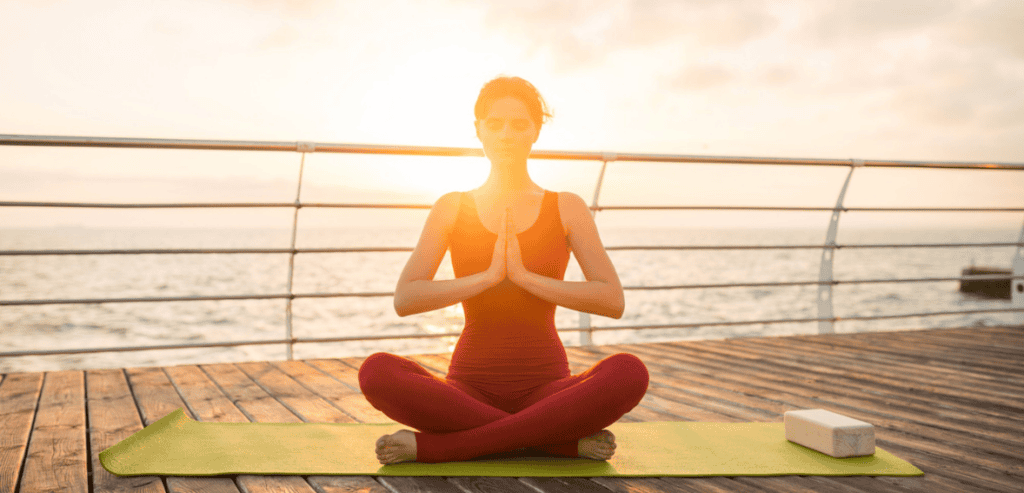
Meditation for Busy Schedules
Many people believe they simply do not have time to meditate. However, meaningful mindfulness can be practised in surprisingly short periods throughout ordinary routines.
One minute of mindful breathing before answering emails, a five-minute walk after lunch, mindful stretching before bed, or paying full attention while drinking morning coffee all contribute towards greater awareness. These brief moments gradually accumulate into lasting habits.
Small, regular practices often prove more sustainable than ambitious routines that become difficult to maintain alongside busy lifestyles.
Stress Reduction Through Consistent Practice
One reason meditation has become increasingly popular is its ability to support emotional wellbeing. While meditation cannot eliminate life’s challenges, it changes how people respond to stressful situations.
Regular practice encourages greater emotional awareness, helping individuals recognise stress earlier before it becomes overwhelming. People often develop improved patience, clearer thinking, and better emotional regulation over time.
Among the many available stress reduction methods, meditation remains particularly valuable because it requires little equipment, minimal cost, and can be practised almost anywhere with only a few minutes available.
Finding the Right Meditation Style
There is no single correct way to meditate. Some people enjoy quiet breathing exercises, while others prefer movement, guided audio sessions, yoga-inspired practices, or creative visualisation. Experimentation helps identify what feels most comfortable.
Trying different techniques prevents frustration and increases the likelihood of establishing a lasting habit. What works well during stressful workdays may differ from what feels helpful on quiet weekends.
Exploring various forms of active meditation encourages flexibility while allowing individuals to develop practices suited to their unique personalities and lifestyles.
Creating a Comfortable Environment
While meditation can happen almost anywhere, creating a comfortable environment often helps beginners remain consistent. A quiet corner, comfortable chair, soft lighting, pleasant temperature, and minimal distractions encourage greater focus.
Some people enjoy lighting candles, using essential oils, or sitting near natural light, although none of these elements are essential. The most important factor is creating a space that feels welcoming rather than intimidating.
A positive environment helps reinforce meditation as an enjoyable daily habit instead of another demanding responsibility.
Building a Sustainable Routine
Like any healthy habit, meditation becomes easier through repetition rather than intensity. Choosing a consistent time each day helps establish routine. Morning sessions may create calm before busy schedules begin, while evening practice allows stress from the day to settle.
Flexibility remains equally important. Missing one session does not erase previous progress. Returning gently to practice without self-criticism encourages long-term consistency.
Whether using mindful breathing, walking meditation, or other stress reduction methods, gradual habit formation produces more lasting results than striving for perfection.
Understanding That Progress Looks Different for Everyone
Meditation is a personal experience rather than a competition. Some people notice greater calm within days, while others experience more gradual changes over weeks or months. Comparing progress with others often creates unnecessary frustration.
Benefits may appear in subtle ways, including improved concentration, greater patience, better sleep, increased emotional awareness, or calmer responses to challenging situations. These changes often develop quietly through consistent practice rather than dramatic breakthroughs.
Accepting individual progress allows meditation for beginners to remain encouraging and enjoyable rather than becoming another source of unrealistic expectations.
Conclusion
Meditation does not require perfect stillness, complete silence, or an empty mind. It is a flexible practice that can be adapted to suit different personalities, lifestyles, and comfort levels. For people who naturally enjoy movement or struggle with sitting quietly, there are many effective alternatives that provide the same opportunity to develop greater awareness and emotional balance.
Whether through active meditation, regular mindful breathing, walking, stretching, or integrating mindfulness into everyday activities, meditation becomes accessible to almost everyone. Combined with other healthy stress reduction methods, these practices help improve focus, reduce anxiety, and encourage greater resilience in daily life. By approaching meditation for beginners with curiosity rather than perfectionism, anyone can discover a style of meditation that feels natural, sustainable, and genuinely beneficial for long-term wellbeing.