Stress has become a constant companion for many people. Busy work schedules, financial responsibilities, family commitments, endless notifications, and the pressure to always stay productive can leave both the mind and body feeling overwhelmed. While occasional stress is a natural response that helps us deal with challenges, prolonged stress can affect sleep, concentration, emotional well-being, and even physical health. Many people search for quick solutions, but true recovery from stress often requires simple, consistent habits that calm the nervous system rather than temporarily distract the mind.
Among various practices of wellness that are emerging nowadays, breathwork and mindfulness should be highlighted in particular since no special equipment and complicated processes are necessary in order to practice them. Everyone breathes, but hardly anyone notices the way they breathe during the day. The process of breathing affects the heart rate, muscles tension, mood and thinking. When the breathing process becomes slow and controlled, it results in relaxation of the organism that was initially in an alerted state. That is when the connection between breathwork and mindfulness is created in order to achieve well-being.
The research about the connection between breathing patterns and nervous system is constantly conducted in the modern world; at the same time, the significance of conscious breathing in emotional stability was noticed by the ancients. Nowadays, the integration of breathwork techniques, mindfulness breathing, stress recovery and relaxation is practiced in various spheres such as healthcare, business, sport, etc.
Understanding How Stress Affects the Mind and Body
Stress begins as the body’s natural response to situations that require attention or action. When faced with a challenge, the brain signals the release of hormones such as adrenaline and cortisol. These hormones increase heart rate, sharpen focus, and prepare the body to react quickly. This response is often called the fight-or-flight response and can be helpful during emergencies or short-term challenges.
The problem arises when stress becomes constant. Instead of returning to a relaxed state after a stressful event, many people remain mentally and physically tense for hours or even days. Chronic stress can lead to headaches, digestive discomfort, muscle pain, fatigue, irritability, poor sleep, and difficulty concentrating. Over time, prolonged exposure to elevated stress hormones may also contribute to high blood pressure, weakened immunity, and increased risk of lifestyle-related illnesses.
Stress also affects breathing patterns. Many people unconsciously begin taking quick, shallow breaths from the chest instead of slow breaths from the diaphragm. This type of breathing signals the brain that danger may still be present, creating a cycle where stress influences breathing, and unhealthy breathing reinforces feelings of stress. Breaking this cycle through conscious breathing becomes an effective way to support both mental and physical well-being.
The Science Behind Breath and the Nervous System
One of the special aspects of breathing is that it is automatic but can be under our voluntary control at the same time. It means that breathing influences the autonomic nervous system – a part of the nervous system that controls the functioning of many other organs and systems of our body, such as the cardiovascular system, heart, and the process of digestion.
For example, slow breathing makes it possible to stimulate the work of the parasympathetic nervous system, which is responsible for “rest-and-digest response.” As a result of breathing becoming slower and deeper, heart rate slows down, muscle relaxation takes place, and one starts feeling less anxiety. In addition, it is found out that the improvement in heart rate variability is caused by breathing.
Brain activity is also affected by breathing. Slow breathing impacts those regions of the brain, which are responsible for the regulation of emotions and attention, which makes it possible to stay calm even when you have to face certain challenges. This explains why meditation practices start with paying attention to one’s breathing. It does not help to solve problems, but changes the way the body reacts to them.
What Is Breathwork?
The term “breathwork” describes any kind of breathing exercises that impact physical, emotional, and psychological well-being. Unlike normal breathing, which does not require special attention from a person, breathwork entails conscious breathing in order to pay attention to the rhythm, depth, and rate of each breath. Different techniques have different purposes, from relaxation through increased concentration to higher levels of energy.
There are various types of breathwork, from deep and long inhalation and extremely slow exhalation to breathing in specific rhythms or holding breath for some time. Though such activities may seem primitive, when practiced regularly, they exert considerable impact on the body and mind and help reduce feelings of stress after a busy day.
Breathing exercises originated in different cultures, among which there are yoga, meditation, martial arts, and traditional healing techniques. Today, breathing exercises receive a growing interest from representatives of modern medicine, as these techniques serve as supplements to traditional treatments. Breathwork cannot be used instead of medical therapy in severe health problems, but it can be one of the elements of the comprehensive approach to wellness.
Understanding Mindfulness and Present-Moment Awareness
Mindfulness is the method of being aware of what is happening in the current moment without evaluating and responding to thoughts, feelings, and experiences. In other words, instead of being lost in worries about the future and regrets about the past, a person practising mindfulness tries to notice the present moment carefully.
It allows an individual to become aware of automatic thinking patterns that tend to cause stress. As opposed to blocking stressful thoughts, mindfulness requires noticing them but not with the intent to react emotionally to the things that happen.
The easiest way to develop the skill of being mindful is mindfulness breathing. It consists of directing one’s focus on inhaling and exhaling breaths. Gradually, by doing this repeatedly, the mind will stop dwelling on fast and distracting thoughts and will be able to focus on the present moment.
How Breathwork and Mindfulness Complement Each Other
Mindfulness and breathwork techniques are often used together due to their complementary nature. On the one hand, breathwork serves as an excellent means to help one calm down physically; on the other hand, mindfulness practice encourages people to be aware of their thoughts and emotions but not get lost in them.
In case a person starts doing mindfulness breathing, he/she might realize that just the process of observing his/her breath naturally slows it down. However, consciously slowing one’s breath makes it easier for him/her to stay aware. Thus, breathing and mindfulness complement each other in a natural way providing a more stable emotional experience.
It often happens that people who use both practices at once become capable of taking some time to analyze the situation and choose the appropriate reaction to it. That is, instead of getting anxious or irritated instantly, one may become aware of his/her emotional state and behave in the appropriate way.
Breathwork Techniques That Support Everyday Well-Being
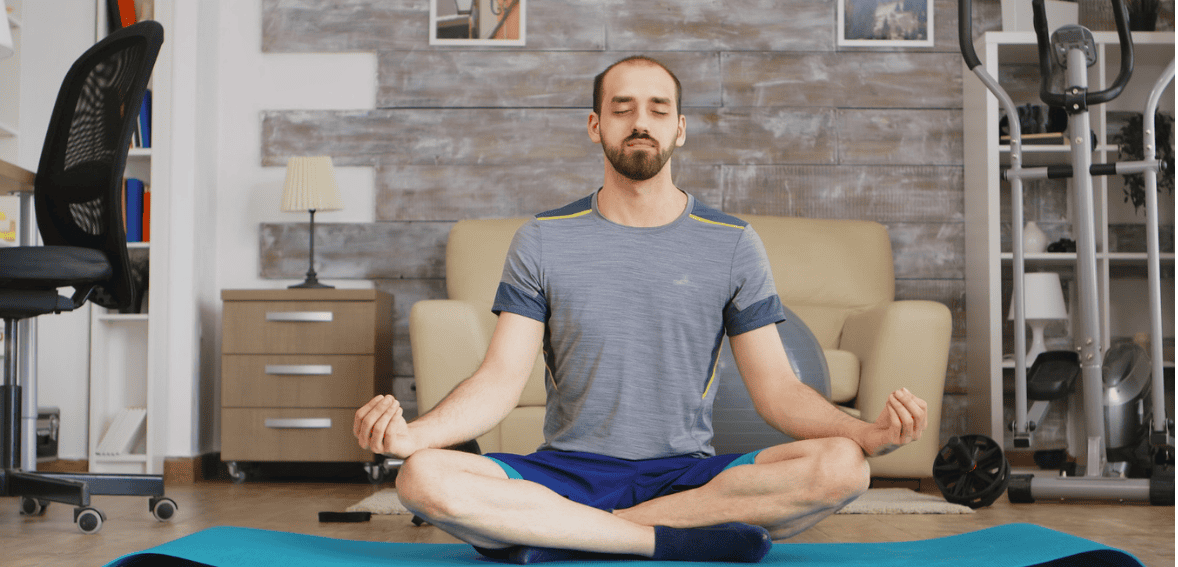
There are many breathwork techniques suitable for beginners, and each offers slightly different benefits depending on individual needs. One of the most widely recommended approaches is diaphragmatic breathing, where breaths originate from the abdomen rather than the upper chest. This encourages fuller oxygen exchange and helps activate the body’s natural relaxation response.
Another popular method involves extending the exhalation so it becomes slightly longer than the inhalation. Longer exhalations help stimulate the parasympathetic nervous system, making them particularly useful before bedtime or after emotionally demanding situations. Box breathing, which involves equal counts for inhaling, holding, exhaling, and pausing, is another technique commonly used by athletes, emergency responders, and professionals working in high-pressure environments.
Consistency matters more than complexity. Practising these breathing methods for five to ten minutes each day often provides greater long-term benefits than occasional lengthy sessions. Over time, regular practice helps the body respond more calmly even during naturally stressful situations.
The Role of Mindfulness Breathing in Emotional Balance
The daily lifestyle makes people multitask all the time, eat food and respond to emails at the same time, walk around with their eyes on the phone screens while thinking of the next day. Such overwhelming mental activity leads to less self-awareness and feeling of being overwhelmed.
This is why the process of mindfulness breathing helps interrupt such cycles by reminding people of living in the present moment through gentle redirection of the mind. The point here is not about making the mind quiet but only noticing the thought before coming back to breathing.
Studies prove that such practices help regulate emotions and relieve anxiety disorders while being beneficial for psychological well-being. That is why many therapists use techniques of mindfulness in stress-related therapy sessions.
Breathwork During High-Stress Situations
Stressful moments often arise unexpectedly. An important meeting, difficult conversation, traffic delay, or family disagreement can quickly trigger physical tension and emotional discomfort. During these situations, breathing is often the first physiological response to change.
Instead of allowing rapid breathing to reinforce stress, simple breathwork techniques can help interrupt this automatic response. Taking slow, controlled breaths for just a few minutes may reduce muscle tension, lower heart rate, and restore a greater sense of control. This does not eliminate the external problem but changes how the body experiences it.
People who regularly practise breathing exercises often report feeling better equipped to handle challenging conversations, workplace pressure, and unexpected setbacks. Because these techniques require no equipment, they can be used almost anywhere, including offices, public transport, waiting rooms, or even during short breaks throughout the day.

Stress Recovery Is More Than Feeling Relaxed
Many people assume that recovering from stress simply means feeling calm after a difficult day. In reality, stress recovery involves allowing both the body and mind to return to a balanced state after periods of heightened activation. This recovery process helps regulate hormones, restore energy, improve concentration, and support emotional stability.
Without adequate recovery, the nervous system may remain activated for prolonged periods. Even when external stressors disappear, the body can continue functioning as though danger still exists. Over time, this ongoing activation contributes to fatigue, irritability, poor sleep, and reduced resilience.
Healthy stress recovery includes adequate sleep, balanced nutrition, physical activity, meaningful social connections, and intentional relaxation practices. Breathwork and mindfulness support this recovery by helping the nervous system transition more efficiently from states of alertness to states of restoration.
Relaxation Exercises That Complement Breathwork
Although breathing forms the foundation of many wellness practices, combining it with other relaxation exercises often enhances the overall experience. Gentle stretching performed alongside slow breathing can release muscle tension that accumulates during stressful days. Progressive muscle relaxation, which involves systematically tightening and relaxing muscle groups, also pairs well with controlled breathing.
Guided meditation is another effective companion practice. Listening to calming instructions while maintaining slow breathing encourages both mental focus and physical relaxation. Some individuals also enjoy mindful walking, where each step is coordinated with natural breathing rhythms, creating a calming movement practice that suits people who find sitting meditation difficult.
Simple relaxation exercises do not require lengthy sessions. Even ten minutes spent combining gentle movement, breathing, and mindful awareness can provide noticeable improvements in mood and mental clarity when practised consistently.
Building a Daily Routine for Stress Recovery
Creating a sustainable routine is often more beneficial than relying on occasional intensive wellness sessions. Many people successfully incorporate mindfulness breathing into their morning routine by spending five minutes focusing on slow, intentional breaths before checking phones or beginning work. This establishes a calm foundation for the rest of the day.
Short breathing breaks during lunch or between meetings can prevent stress from building throughout busy schedules. Evening sessions may support better sleep by encouraging the nervous system to transition away from the stimulation accumulated during the day. Pairing breathing with journaling, reading, or quiet reflection can further reinforce relaxation.
Successful stress recovery depends on consistency rather than perfection. Missing a day does not erase previous progress. Instead, regularly returning to these simple practices gradually trains both the body and mind to respond more calmly to everyday challenges.
Common Misconceptions About Breathwork and Mindfulness
Despite growing popularity, several misconceptions still surround breathing and mindfulness practices. Some people believe they require special spiritual beliefs or extensive meditation experience. In reality, many breathing exercises are supported by physiological research and can be practised by individuals from diverse backgrounds.
Another misconception is that mindfulness means completely emptying the mind of thoughts. Human minds naturally produce thoughts throughout the day. The goal of mindfulness is not to stop thinking but to become more aware of thoughts without immediately reacting to them.
Some individuals also expect immediate transformation after one breathing session. While many people notice temporary relaxation, lasting improvements usually develop through regular practice over weeks and months. Like physical fitness, emotional resilience grows gradually through consistent effort rather than overnight change.
Long-Term Benefits of Consistent Practice
The greatest value of breathwork and mindfulness often becomes apparent over time. People who regularly practise breathwork techniques frequently report improved emotional awareness, greater patience, better concentration, and increased resilience during stressful situations. Rather than preventing all stress, these habits help people recover more efficiently after challenges arise.
Consistent mindfulness breathing may also support healthier relationships by encouraging thoughtful communication instead of impulsive reactions. Individuals often become more aware of emotional triggers and develop greater capacity to pause before responding during disagreements or periods of frustration.
When combined with healthy lifestyle habits, regular relaxation exercises contribute to overall well-being by improving sleep quality, reducing muscle tension, supporting mental clarity, and encouraging greater self-awareness. These benefits often extend beyond stress management into many aspects of everyday life.
Conclusion
Stress is an unavoidable part of life, but remaining trapped in a constant state of stress does not have to be. The connection between breathing, awareness, and emotional balance demonstrates how small daily habits can influence overall well-being in meaningful ways. By learning to work with the body’s natural systems instead of against them, individuals can develop healthier responses to everyday challenges.
Practising breathwork techniques allows people to influence the nervous system through something they already do every moment of the day. Combining this with mindfulness breathing creates greater awareness of thoughts, emotions, and physical sensations without becoming overwhelmed by them. Together, these practices support effective stress recovery by helping the body return to a calmer, more balanced state after periods of tension.
Adding simple relaxation exercises to a daily routine further strengthens these benefits by reducing muscle tension, improving emotional regulation, and encouraging restorative rest. While no single practice can eliminate every source of stress, consistent breathing and mindfulness habits provide practical tools that help people navigate modern life with greater calm, resilience, and confidence. Over time, these small daily moments of intentional breathing can contribute to lasting improvements in both mental and physical well-being.