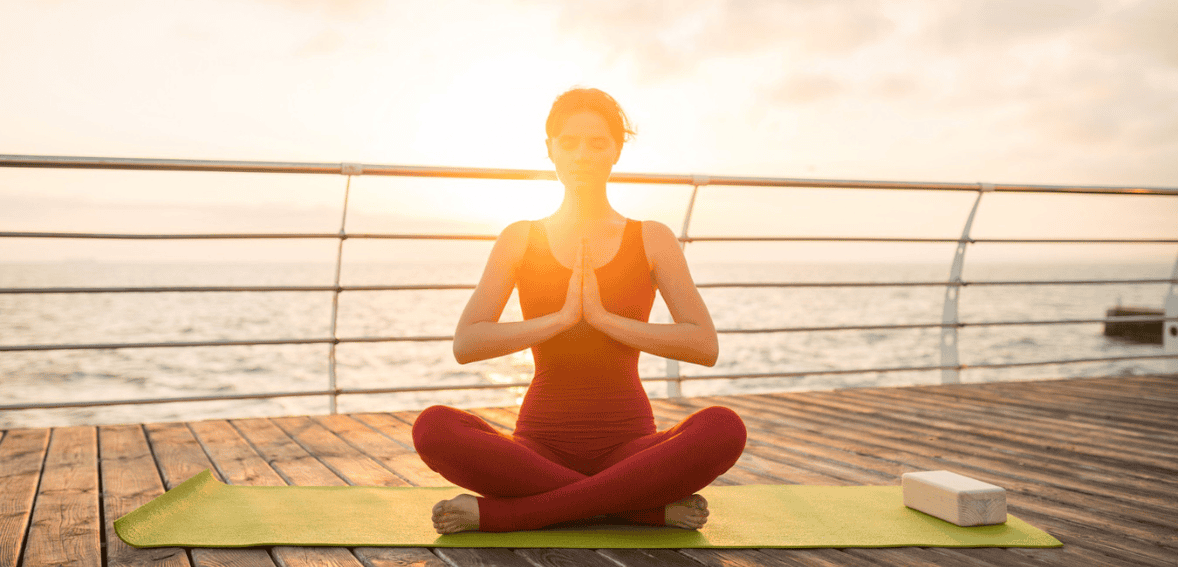
In modern life, the constant rush of obligations, expectations, and digital noise leaves little room for mental rest. People often find themselves overwhelmed by work demands, personal duties, and the nonstop stimulation of technology, which can gradually contribute to heightened stress and anxiety. As a result, many are turning inward, seeking accessible ways to care for their mental health beyond conventional solutions.
Practices like mindfulness and meditation have emerged as powerful tools in this shift. By encouraging individuals to stay grounded in the present moment, these approaches create opportunities for relaxation, self-awareness, and emotional reset. This rising interest highlights a growing emphasis on personal well-being and balance. Through regular practice and simple techniques that promote focus and clarity, individuals can strengthen their emotional resilience and maintain a more stable and peaceful state of mind.
Understanding Mindfulness and Meditation
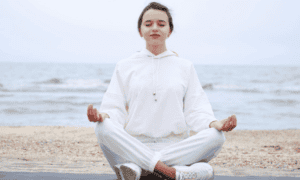
Mindfulness and meditation, though often practiced together, are not quite the same. While mindfulness is being fully present and fully aware of what is going on at the moment without judgment, meditation is more of a practice to help individuals train their minds to be more aware.
When people seek mindfulness for mental health, they are, in essence, being taught how to be more aware of their thoughts and feelings without being consumed by them. This allows them to be more detached from themselves and be more thoughtful in how they respond to situations instead of reacting impulsively. Meditation benefits help individuals achieve this.
Mental clarity techniques like deep breathing, body scan, and visualization can all be part of meditation. These techniques help individuals calm their minds and be more focused. In the long run, this helps them achieve emotional stability, making it easier for them to cope with stress and other issues in a balanced manner.
How Mindfulness Supports Mental Health
Mindfulness for mental health has become widely recognised because of its ability to reduce stress and improve overall well-being. When individuals practice mindfulness, they learn to focus on the present moment instead of worrying about the past or future. This shift in attention can significantly reduce feelings of anxiety and mental overload.
One of the key advantages of mindfulness is its accessibility. It does not require special equipment or a specific environment. People can practice mindfulness at any time, whether they are at home, at work, or even commuting. Simple actions like paying attention to breathing or noticing surroundings can create moments of calm in a busy day.
Meditation benefits further enhance this experience by providing a structured way to practice mindfulness regularly. Over time, these practices help individuals develop stronger awareness and control over their thoughts. This contributes to improved emotional stability, as people become better at recognising and managing their emotions instead of being controlled by them.
The Science Behind Meditation Benefits
Research has indicated that meditation has a positive effect on the brain, which in turn has a positive effect on an individual’s mental well-being. Meditation has been shown to reduce the activity in certain areas of the brain, which are responsible for stress, while increasing the activity in other areas, which are responsible for focus and emotional stability. This explains the feeling of calmness and clarity that one gets after meditating.
The other benefits of meditation include improved concentration and memory. Meditation has been shown to improve an individual’s ability to focus on one thing, which can be very beneficial in a world filled with distractions. In the modern world, one is constantly bombarded with information, which can make it difficult to focus on one thing.
The mental clarity techniques, which are part of meditation, can be very beneficial in improving an individual’s ability to sleep. Many people experience racing thoughts in the middle of the night, which can make it difficult to fall asleep. Meditation has been shown to reduce these thoughts, which can improve an individual’s ability to sleep, thus helping them become more emotionally stable during the day.
Building Emotional Stability Through Regular Practice
Emotional stability is the ability to remain balanced and composed in different situations. It does not mean avoiding emotions but rather understanding and managing them effectively. Mindfulness for mental health plays a crucial role in developing this stability by encouraging awareness and acceptance of emotions.
When individuals practice mindfulness, they become more aware of their emotional triggers. This awareness allows them to respond thoughtfully instead of reacting impulsively. For example, instead of getting frustrated in a stressful situation, a mindful person may pause, observe their feelings, and choose a calmer response.
Meditation benefits support this process by creating a space for reflection and self-awareness. Regular practice helps individuals develop patience and resilience, which are essential for maintaining emotional stability. Over time, these habits become part of daily life, making it easier to handle challenges with a balanced mindset.
Practical Mental Clarity Techniques for Everyday Life
Mental clarity techniques are simple techniques that help an individual achieve a clear mind and increased focus. These techniques can be incorporated into an individual’s daily routines, thus making them applicable to all people. One of the techniques for achieving mental clarity is mindful breathing, where an individual concentrates on their breathing and focuses on all aspects of it.
Another technique for achieving mental clarity is body scanning, where an individual concentrates on different body parts and tries to identify areas of tension and discomfort. These techniques can be applicable even without meditation. In achieving mindfulness for mental health, an individual can practice different techniques, for example, mindful eating and mindful walking.
Meditation benefits can be experienced when an individual is able to practice meditation techniques regularly. At some point, an individual can achieve a situation where they have a clear mind, increased focus, and increased stability in their mental health. This helps an individual achieve a balance between their personal and professional life.
Overcoming Common Challenges in Practice
Although mindfulness and meditation are conceptually very straightforward, a lot of individuals still struggle to keep up a practice on a regular basis. One of the most frequent issues is that it is really hard to keep your attention on one thing, or just show up. For one thing, the mind is likely to wander; and for another, beginners might get upset with themselves when they realize that they have lost focus. It is a good idea to remind oneself that this is the usual kind of thing that happens.
Mindfulness in mental health is not about execution or results, but more about softly, patiently, with kindness, bringing one’s attention to the present moment each time it drifts. With each day and each practice session, it gradually becomes more natural. Plenty of people find it difficult to create a meditation space/time in their life. Many of them don’t realize that, in order to get meditation benefits, they have to do long sessions, whereas the truth is even a few minutes a day can make a difference.
Continuing with short sessions and eventually doubling the time can be effective in developing a lasting ritual. Alongside the fact that mental clarity exercises are highly beneficial, they can also be customised to match a particular way of life, like taking a few mindful breaths during a busy day or practicing awareness even while doing routine tasks. Hence, when the individuals make the choices of practice so that the fit is across the board, then the obstacles become relatively insignificant. Therefore, it becomes not only possible to maintain consistency but also to overcome barriers.
The Role of Mindfulness in Modern Life
In today’s world, with distractions at every turn and demands getting higher and higher, mindfulness is like a lifeline that takes you back to the here and now. It lets you step away from the endless stream of information and concentrate on the essentials. Indeed, this is the reason why mindfulness for mental health is being embraced by all sorts of people and professions. Meditation benefits are not just about feeling good internally, but they can also transform our relationships.
When one is grounded and aware, it naturally enhances one’s ability to listen, communicate, and form bonds with others. Such changes can have a ripple effect on both personal and work dealings. Mindfulness techniques geared towards mental clarity are also geared towards helping a person be more productive by sharpening one’s concentration and cognitive faculties related to making decisions. With a mind that is at peace, it is a lot more straightforward to plan and make prudent decisions.
This consequently leads not only to better performance but also to less stress and exhaustion. Emotional resilience is very much needed, as it helps persons keep their balance even when they are faced with difficulties. By making mindfulness and meditation a part of one’s routine, one can lay a rock-solid basis for mental health.
Long-Term Benefits of Mindfulness and Meditation
Mindfulness and meditation’s long-term advantages can be much more than just instant stress relief. Individuals who engage in these practices regularly might see changes in their mental and emotional health that stay with them over time. These techniques not only aid in strengthening the ability to bounce back after difficult situations but also help to develop self-recognition and foster a happier and more optimistic perception of life. Mindfulness for mental health works as a tool for personal development by facilitating reflection and insight. It aids people in identifying thought and behavior patterns, thereby enabling them to make more deliberate decisions. This, in turn, results in enhanced self-assurance and the feeling that one has mastery over one’s life.
Among others, meditation has the benefits of enhanced physical health as well, because the alleviation of stress has a positive impact on the body. A lowered level of stress is linked to a boosted immune system, a healthier heart, and general well-being. These advantages emphasize the link between mental and physical health. Practices aimed at gaining mental clarity are still being used as one of the ways to preserve these advantages as time goes by. Individuals who carry on with their practice of these techniques will always have a focused and well-balanced mind. This resulting emotional well-being will be so natural that it will empower anyone to confront and deal with life’s difficulties much more readily and smoothly.

Mindfulness in Managing Stress and Anxiety
Stress and anxiety are among the most common challenges people face today, and mindfulness offers a practical way to manage both. Instead of trying to eliminate stress completely, mindfulness for mental health teaches individuals how to observe their thoughts and emotions without becoming overwhelmed. This shift in perspective helps reduce the intensity of anxious feelings and creates a sense of calm even in difficult situations. By focusing on the present moment, people can avoid getting caught in cycles of worry about the future or regret about the past.
Meditation benefits play a strong role in this process by calming the nervous system and slowing down racing thoughts. Simple mental clarity techniques such as deep breathing and focused attention can help regulate emotions and reduce physical symptoms of stress. Over time, regular practice builds emotional stability, allowing individuals to respond to challenges with greater clarity and control. This makes mindfulness not just a short-term solution but a long-term strategy for managing stress and anxiety effectively.
The Connection Between Mindfulness and Physical Health
Mental and physical health are closely connected, and mindfulness practices can positively influence both. When stress levels are high, the body often responds with tension, fatigue, and other physical symptoms. Mindfulness for mental health helps reduce these effects by promoting relaxation and awareness of the body’s signals. By paying attention to physical sensations, individuals can identify areas of tension and take steps to release it.
Meditation benefits also extend to improving sleep quality and supporting overall well-being. Many people experience better rest when they incorporate mental clarity techniques such as guided relaxation or breathing exercises into their routine. This improved rest contributes to better energy levels and a stronger immune system. Emotional stability is also enhanced, as a well-rested mind is better equipped to handle daily challenges. Over time, the combined impact of mindfulness and meditation can lead to a healthier and more balanced lifestyle.
Mindfulness in Building Better Relationships
Mindfulness does not only improve individual well-being but also strengthens relationships. When people are fully present in their interactions, they are better able to listen, understand, and respond thoughtfully. Mindfulness for mental health encourages individuals to be aware of their emotions and reactions, which can prevent misunderstandings and conflicts.
Meditation benefits support this by improving patience and empathy. When individuals practice mental clarity techniques, they become more aware of their communication patterns and emotional responses. This awareness helps them approach conversations with greater understanding and respect. Emotional stability plays a key role here, as it allows people to remain calm and composed even in challenging situations.
By applying mindfulness in daily interactions, individuals can build stronger and more meaningful connections. Whether in personal relationships or professional settings, being present and attentive creates a positive environment that fosters trust and collaboration.
Creating a Sustainable Mindfulness Routine
Developing a consistent mindfulness routine is essential for experiencing long-term benefits. While many people start with enthusiasm, maintaining the practice can be challenging without a clear plan. Mindfulness for mental health becomes more effective when it is integrated into daily life rather than treated as an occasional activity.
Starting with small, manageable steps can make a big difference. Even a few minutes of meditation each day can provide noticeable meditation benefits over time. Incorporating mental clarity techniques into everyday activities, such as mindful breathing during breaks or paying attention while eating, can help reinforce the habit. Consistency is more important than duration, and regular practice helps build emotional stability gradually.
Creating a dedicated space or time for mindfulness can also support consistency. Whether it is early in the morning or before bedtime, having a routine makes it easier to stay committed. Over time, these practices become a natural part of daily life, allowing individuals to maintain balance and clarity even in busy or stressful situations.
Conclusion
Mindfulness and meditation offer simple yet powerful tools for strengthening mental health. In a world filled with constant demands and distractions, these practices provide a way to slow down, reflect, and reconnect with the present moment. By focusing on mindfulness for mental health, individuals can reduce stress, improve focus, and build a stronger sense of balance. The meditation benefits associated with regular practice extend to both mental and physical well-being. Through practical mental clarity techniques, people can create moments of calm and clarity in their daily lives.
These small but consistent efforts contribute to long-term emotional stability and resilience. For anyone looking to improve their mental health, mindfulness and meditation offer an accessible and effective approach. By making these practices a part of everyday life, individuals can create a foundation for lasting well-being and a more balanced, fulfilling life.