Aging is a natural process that touches every system in the human body. Muscles gradually lose mass, bones become less dense, joints feel stiffer, and energy levels can fluctuate more than they once did. These changes are inevitable, but how they unfold is not entirely fixed. Aging and exercise science has consistently shown that physical activity can slow many of the declines associated with getting older.
For many people, the assumption is that slowing down with age is normal and unavoidable. While some slowing is expected, long term fitness research suggests that remaining active actually becomes more important over time. The concept of active aging benefits is rooted in decades of scientific data demonstrating that regular movement supports cardiovascular health, brain function, mobility, and emotional wellbeing. Movement is not just a lifestyle choice. It is a biological necessity that grows more valuable with each passing decade.
How the Body Changes With Age
Aging affects the body in predictable ways. Muscle mass tends to decline beginning in the thirties and accelerates after the age of fifty. Bone density gradually decreases, making fractures more likely. Metabolism slows, and the efficiency of the cardiovascular system reduces over time. Aging and exercise science explains that these shifts are influenced by hormones, activity levels, and genetics.
Long term fitness research shows that inactivity can magnify these changes significantly. The less the body is challenged, the more it adapts to lower demands. Active aging benefits come from counteracting this decline. When muscles are used regularly, they maintain strength longer. When the heart is trained consistently, endurance remains stronger. Understanding these biological processes highlights why regular movement is essential rather than optional as the years progress.
The Role of Muscle Mass in Healthy Aging
Muscle loss, often referred to as sarcopenia, is one of the most studied topics in aging and exercise science. After middle age, adults can lose a noticeable percentage of muscle mass each decade if they remain inactive. This loss influences balance, metabolism, and independence.
Active aging benefits include preserving strength and reducing fall risk. Long term fitness research indicates that resistance training stimulates muscle protein synthesis even in older adults. Building and maintaining muscle is not about appearance. It is about function. Strong muscles support posture, protect joints, and make daily tasks such as climbing stairs or carrying groceries easier. Movement sends signals to the body that maintenance and repair remain necessary.
Cardiovascular Health and Longevity
The heart and blood vessels adapt to activity levels throughout life. Aging and exercise science has demonstrated that aerobic exercise improves circulation, lowers blood pressure, and reduces inflammation. These effects help prevent heart disease, which remains one of the most common health concerns as people age.
Long term fitness research links regular cardiovascular exercise with improved oxygen delivery and energy levels. Active aging benefits extend beyond the heart itself. Improved circulation supports organ function and cognitive clarity. A consistently trained cardiovascular system remains more resilient during physical and emotional stress.
Joint Mobility and Flexibility Over Time
Stiffness is commonly associated with aging, yet movement can minimize its impact. Aging and exercise science explains that cartilage health depends partly on regular motion. When joints move through full ranges of motion, they receive better nutrient exchange.
Active aging benefits include improved flexibility and reduced discomfort during daily activities. Long term fitness research also shows that mobility training helps maintain balance and coordination. Flexibility work should not be reserved for athletes. It becomes increasingly essential as connective tissues gradually lose elasticity. Regular stretching and range of motion exercises support comfortable movement throughout life.
Brain Health and Cognitive Function
Physical activity influences brain chemistry in meaningful ways. Aging and exercise science has linked exercise to improved memory, faster processing speed, and reduced risk of cognitive decline. Movement increases blood flow to the brain and encourages the growth of new neural connections.
Active aging benefits include stronger focus and improved mood regulation. Long term fitness research shows that adults who maintain regular exercise habits tend to experience slower cognitive decline compared to sedentary peers. Movement stimulates neurotransmitters that support mental clarity and emotional stability. Staying active is not only about preserving physical capacity but also about maintaining mental sharpness.
The Impact on Mental Health
Emotional wellbeing shifts throughout life. Stress, retirement transitions, and health changes can influence mental health. Aging and exercise science highlights the role of physical activity in regulating mood related hormones. Exercise reduces cortisol levels while increasing endorphins.
Active aging benefits extend to lower rates of depression and anxiety among older adults who remain active. Long term fitness research supports the connection between consistent exercise and improved self confidence. Physical movement provides structure, social interaction, and purpose. These psychosocial factors are equally important for long term wellbeing.
Metabolism and Weight Management
Metabolism naturally slows with age, contributing to gradual weight gain if habits remain unchanged. Aging and exercise science explains that muscle tissue burns more energy than fat tissue, even at rest. Preserving lean mass supports metabolic function.
Active aging benefits include maintaining energy balance and reducing the risk of metabolic disorders. Long term fitness research confirms that combining strength training with cardiovascular exercise supports healthier body composition across decades. Movement helps regulate blood sugar levels and insulin sensitivity, both of which are crucial in preventing chronic conditions.
Bone Density and Fracture Prevention
Bones respond to stress by becoming stronger. Aging and exercise science indicates that weight bearing exercise stimulates bone remodeling. Inactivity, by contrast, accelerates bone loss. Active aging benefits include lower risk of osteoporosis and fractures. Long term fitness research supports the idea that resistance and impact activities performed safely can preserve bone strength. Maintaining bone density protects independence and mobility later in life. Exercise serves as a preventive measure rather than a reactive solution.
Balance and Fall Prevention
Falls are a significant concern in later adulthood. Aging and exercise science identifies balance training as a protective factor. As muscles and reaction time decline, stability becomes more vulnerable. Active aging benefits include improved coordination and spatial awareness. Long term fitness research demonstrates that balance exercises reduce fall risk and enhance confidence during movement. Strengthening stabilizing muscles and practicing controlled movements reinforce safe mobility. Prevention remains easier than recovery when it comes to injury.
Longevity and Quality of Life
Aging and exercise science has consistently found correlations between physical activity and longer lifespan. However, longevity is not the only goal. Quality of life determines whether added years remain meaningful and independent.
Active aging benefits include greater autonomy and participation in social activities. Long term fitness research suggests that movement supports resilience against age related disease. Remaining active increases the likelihood of maintaining independence in daily tasks. Physical capability enables continued engagement with family, work, and hobbies.
Adapting Exercise With Age
Movement does not have to look the same at every stage of life. Aging and exercise science supports adjusting intensity and volume based on recovery capacity. Listening to the body becomes more important as tissues heal more slowly.
Active aging benefits remain achievable through modified approaches. Long term fitness research emphasizes consistency over intensity. Walking, swimming, resistance bands, and light weight training can provide effective stimulus without excessive strain. Sustainable routines preserve motivation and reduce injury risk.
Social Engagement Through Physical Activity
Group classes, walking clubs, and recreational sports provide more than physical stimulation. Aging and exercise science recognizes the role of social connection in healthy aging. Isolation can increase stress and negatively impact health.
Active aging benefits extend into social wellbeing when individuals engage in community movement. Long term fitness research suggests that social exercise environments improve adherence to physical routines. Shared goals and companionship enhance consistency and enjoyment. Movement can strengthen relationships alongside physical health.
Overcoming Barriers to Staying Active
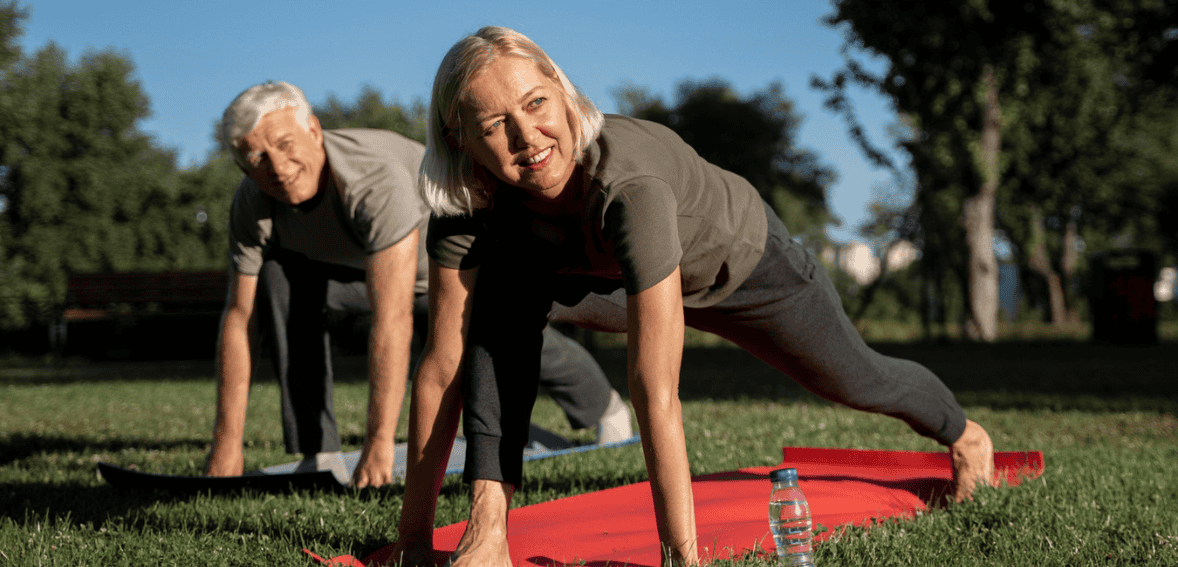
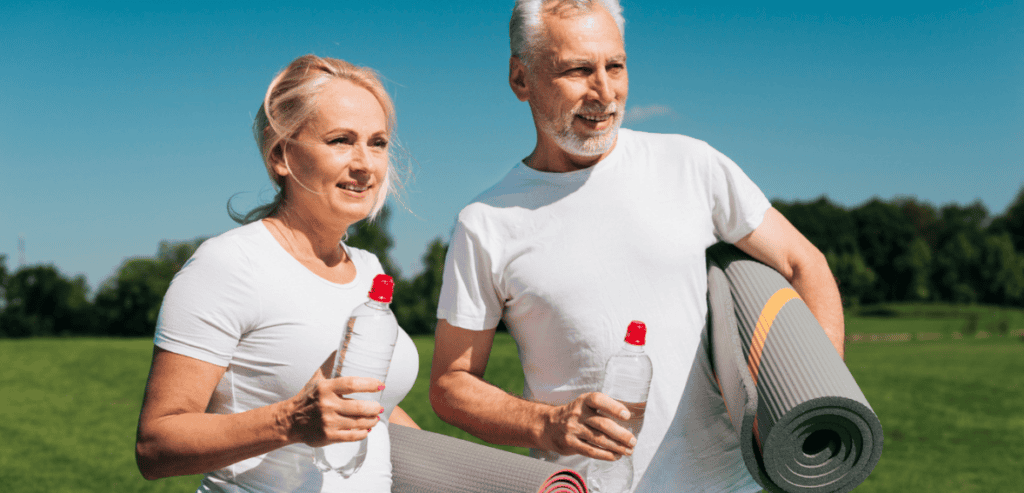
Many older adults face barriers such as time constraints, fear of injury, or lack of knowledge. Aging and exercise science encourages realistic entry points rather than perfection. Small steps produce measurable progress. Active aging benefits begin with achievable commitments such as daily walks or simple strength circuits. Long term fitness research supports gradual progression as the safest approach. Overcoming psychological barriers can be as important as physical ones. Education and support reduce hesitation and build confidence.
The Importance of Consistency
Short bursts of activity are beneficial, but sustained habits create lasting effects. Aging and exercise science demonstrates that regular movement compounds benefits over time. Sporadic exercise cannot match consistent engagement. Active aging benefits accumulate through repetition. Long term fitness research confirms that adherence matters more than occasional intensity. Establishing routines that fit individual lifestyles increases long term success. Sustainable habits protect health more effectively than dramatic but temporary efforts.
Building a Personal Active Aging Plan
Creating an individualized plan ensures long term sustainability. Aging and exercise science recommends incorporating strength, balance, flexibility, and cardiovascular components. Variety reduces overuse injuries and keeps routines interesting. Active aging benefits become more pronounced when activities are enjoyable and achievable. Long term fitness research indicates that personalization improves adherence rates significantly. Consulting healthcare professionals when necessary supports safe progression. A balanced and adaptable approach ensures movement remains part of life rather than a temporary project.
The Role of Recovery and Sleep in Active Aging
Movement is very effective, but recovery is also very important in terms of aging and exercise science. As the body ages, the tissues take slightly longer to heal after exercise. Muscles heal during rest, and the nervous system readjusts. If recovery is not adequate, even a well-structured exercise program can cause fatigue or injuries.
The benefits of active aging are achieved when exercise is combined with good sleep and recovery. Long-term fitness studies emphasize that sleep is important for hormone regulation, muscle healing, and brain recovery. Gentle recovery activities like walking, stretching, or mobility classes keep the body active without overdoing it. Hydration and healthy eating also help in the healing process. The relationship between exercise and recovery ensures that movement is sustainable and beneficial rather than exhausting and detrimental.
The Connection Between Movement and Immune Health
The immune system develops with age, and its sensitivity may decrease gradually. The study of aging and exercise has revealed that moderate regular exercise can promote immune surveillance and lower systemic inflammation. Exercise promotes blood circulation, which helps immune cells travel more effectively throughout the body.
The benefits of active aging can be extended to resistance to common diseases and quicker recovery from common infections. Long-term fitness studies have revealed that people who regularly practice movement patterns tend to have fewer inflammatory symptoms than their sedentary counterparts. But there is a need to strike a balance. Too much or vigorous exercise without proper rest can lead to a temporary reduction in the immune system. Moderate and consistent exercise helps the immune system adapt. Regular exercise will thus become part of a larger plan for maintaining overall resistance and vitality in the later decades of life.
Movement as a Tool for Hormonal Balance
Hormonal changes become more apparent with increasing age. Hormonal changes in estrogen, testosterone, growth hormones, and insulin all affect energy, mood, and metabolism. Aging and exercise studies have investigated how various types of physical activity can help manage these changes. Weight training, for instance, triggers hormones that help maintain muscle mass and metabolism.
Active aging advantages include improved blood sugar regulation and mood stabilization. Research on long-term fitness proves that regular exercise improves insulin resistance and promotes favorable body composition. Exercise may not be able to completely halt hormonal changes, but it can manage their impact. Exercise serves as a regulatory cue that promotes balance over decline. By maintaining regular levels of activity, the body promotes a stable internal environment that leads to overall wellness and autonomy.
Redefining Success in Later Life Fitness
As individuals grow older, their idea of what constitutes fitness might change. Aging and exercise science focus on performance in relation to one’s own abilities, rather than in comparison to what was accomplished in the past. Achievement may be walking without pain in the joints, going up stairs without assistance, or standing on one’s feet with confidence. These are indicators of successful active aging outcomes.
Long-term fitness studies promote goal setting that focuses on quality rather than quantity. Fitness goals that are met and maintained are those that are done with passion and enthusiasm. Fitness does not have to be done at a high level of intensity to be effective. Moderate exercise has a profound preventive role. Redefining success enables older adults to celebrate their accomplishments and stay motivated.
Conclusion
The science behind movement and aging is clear. Physical decline is not entirely preventable, but it is highly modifiable. Aging and exercise science provides compelling evidence that staying active influences nearly every body system. From stronger muscles to sharper cognition, movement plays a central role in maintaining vitality. Active aging benefits are cumulative and far reaching. Long term fitness research reinforces the idea that consistency over decades protects independence and enhances wellbeing. Movement should not be viewed as optional recreation. It is a lifelong investment in physical and mental health. By embracing regular activity at every age, individuals empower themselves to age with strength, confidence, and resilience.