Starting a walking routine sounds simple. Sticking with it is the real challenge. Many beginners begin with big goals, sore legs, and an all-or-nothing mindset. A week later, the plan is gone. The better approach is smaller, steadier, and far more effective. If your goal is better metabolic health, more daily movement, and a routine you can actually maintain, walking is one of the best places to start.
Walking workouts for beginners are easy to scale, gentle on the joints, and powerful for long-term health. A consistent walking habit can support blood sugar control, cardiovascular fitness, weight management, and energy levels. It also helps reduce the damage caused by prolonged sitting. Public health guidance continues to recommend at least 150 minutes of moderate-intensity aerobic activity each week, and brisk walking counts toward that target.
This beginner-friendly guide explains how to build a sustainable daily walking routine, progress without burning out, and use walking workouts to support metabolic health in real life.
Why Walking Workout Is So Effective for Metabolic Health

Metabolic health is how your body manages energy and regulates blood sugar levels, fat metabolism, and how you physically respond to the effects of insulin. Poor metabolic health is the leading cause of obesity, type II diabetes symptoms, and how it affects your overall energy, which greatly increases your chances of developing heart disease and related health issues. Fortunately, simple and small daily goals can have a lasting effect.
Walking can be quite helpful because it increases your energy expenditure by quite a bit and is easy on your body. It can help improve blood flow and your blood pressure, and it allows your muscles to better utilize glucose. Even simple things like taking a short walk after meals can help improve blood glucose levels, which is particularly useful for people trying to build better habits. Also, some research shows that walking regularly reduces the risk of cardiovascular disease and lowers mortality rates. You can tell from research on beginner walking plans that walking regularly lays an excellent foundation for health.
Interestingly, the resources seen earlier indicate that walking regularly can improve overall health. This is important because you do not have to do as much work for your overall health.
Why Beginners Need a Sustainable Walking Routine
A sustainable walking routine is more effective than an aggressive one. Most people do not fail because walking is too hard. They fail because the plan asks too much, too soon. Going from a low activity level to 10,000 steps a day overnight may sound motivating, but it often creates soreness, scheduling stress, and frustration.
Before drafting an effective walking plan, you need an accurate baseline. Some people reach an average of 2,500, while others get to 5,000, so the most effective way to set a daily walking goal is to first measure what you already do and add a small increment. Most beginner walking plans advise a very modest starting increase, followed by gradual additions to the baseline, rather than adding a large amount to your walk on the first day.
For your metabolic health, being consistent is more effective than overly focusing on the goal. A daily walking plan over a longer period will be more successful than a large increment plan that is ultimately only followed for a short time.
How to Start Walking Workout for Beginners

First, you need to be able to start walking without it being too demanding, so you don’t quit. The first step is to measure your average daily activity for a couple of days, to create a baseline, and then add to it, which, for a lot of people, is creating a 10 – 15 minute time increment, or a smaller number of steps, that you then increase.
You shouldn’t really worry about speed during the first few weeks of your walking journey. Instead of telling yourself you have to walk more, you could try to repeat a short walk or two throughout the day, every day by attaching a walk to something you do already. For example, you could walk a short distance or take a break for a while throughout the workday or after you finish your chores.
Once you establish a routine, you can walk more. An easy rule for more advanced walkers is to walk after you drink your morning or evening beverage. A short walking workout makes walking feel like a task rather than something you have to do outside your busy schedule.
A Simple 4-Week Walking Workout Plan for Beginners
You can build that extra effort into a short walk for an entire work week. When walking is something you’re used to, a range of 10 to 20 minutes at an easy pace per day should be attainable. For beginners, that may feel like too much; in that case, a 10-minute walk would be a good goal. It can also be helpful to break that goal in half by adjusting the range for morning walkers as necessary.
In the second week, add some mileage. Try extending two of your walks by 3 to 5 minutes, or adding a short walk on 2 to 3 days of the week. The change should be easy. In week three, incorporate one moderate-length walk to bring the weekly total to around 20 minutes, while the other walks should remain short. In week four, continue the moderate-length walk and reflect on whether this addition feels sustainable on a typical week. If the pattern of moderate walks feels manageable and sustainable, it should serve as the anchor for building your walking habit.
Once your walking habit is built, the speed can change. It is typical to begin at a conversational pace, which can then speed up. Walking has a few popular pace ranges that fall within the brisk range: a walking pace of 3.0-3.5 mph, a brisk pace of 3.5-4 mph, and a faster range that pushes the limits of walking speed, above 4 mph.
How Walking After Meals Supports Blood Sugar and Metabolic Health
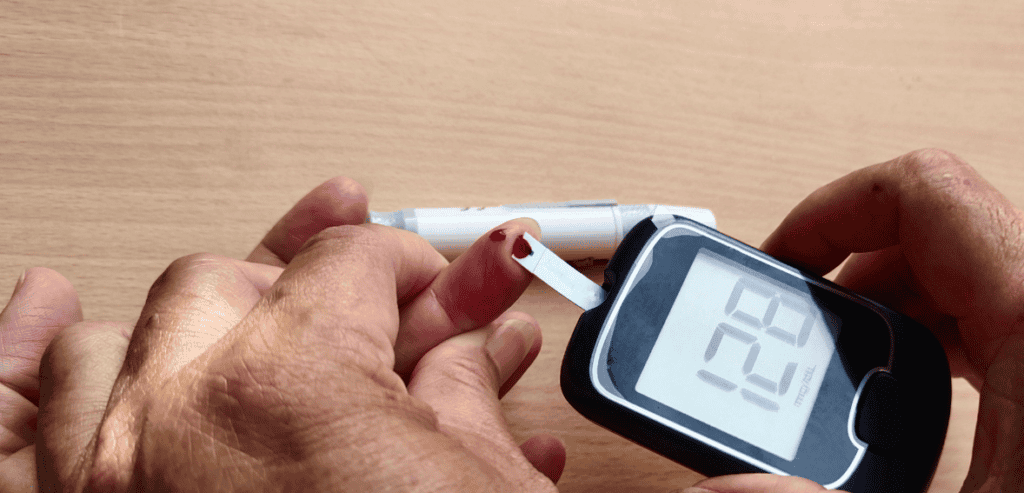
Timing your walk is a great way to increase its effectiveness, especially if you want to make walks after meals a regular part of your routine. To make walking after meals beneficial for your metabolic health, a short walk after each meal should suffice. Many reviews that focus on health and walking note that walking after meals helps reduce blood sugar spikes and supports better glucose control. Walking after meals should be limited to 10-15 minutes to make the walk healthy and effective.
This does not need to become too complicated.
A little stroll after you have lunch or dinner is a good start. This timing is especially good for newcomers as it conveniently answers the question of “when should I walk?” Instead of hunting for motivation, you just link the walk to a daily routine. This approach definitely helps retain the habit.
If you’re worried about insulin sensitivity, at risk of weight gain, or feel fatigued after meals, light walking is a no-brainer. It is the easiest and most effective solution for almost every fitness level.
How to Make a Daily Walking Habit Actually Stick
A daily walking habit becomes sustainable when it is easy to start. That usually means reducing friction. Keep your walking shoes where you can see them. Choose a simple route close to home or work. Decide when you will walk before the day gets busy. If the weather is a problem, have an indoor option ready, such as a treadmill, a hallway loop, or mall laps. Indoor walking is still real walking, and it still counts.
Tracking can also help. Many people stay more consistent when they can see their daily steps, weekly totals, and longest walk of the week. The goal is not to obsess over numbers. It is to create a visible feedback loop. Habit-based walking guides frequently note that progress feels more rewarding when it is measurable, even in simple ways.
It also helps to stop thinking in extremes. Missing one day does not ruin a walking routine. What matters is returning to the next scheduled walk. A sustainable walking workout plan includes flexibility, recovery, and room for real life.
Beginner Mistakes That Can Derail a Walking Routine
Diving in headfirst is the biggest mistake. If you decide to start walking and start doing long walks every day, you are more than likely to experience soreness and eventually stop walking. Another mistake is relying on a positive attitude alone without building a structure. Positive attitude is good, but there is a bigger force at work: your routine. Motivation can only take you so far, but a walking schedule can take you where you have never been before.
A vague goal isn’t a solution either. If your goal is to simply “walk more,” it’s harder to achieve than, say, “to walk 15 minutes after dinner five days this week.” This is an achievable goal.
Walking beginners also create goals based on a perfect number. The pressure to reach the popular 10,000-step mark isn’t necessary. It’s a good way to set a goal, but there are more important and achievable goals out there. If your previous baseline is lower than the goal before you, lower the goal. Keep your walking guide with minimum, normal, and stretch goals to set an objective for more than one walking occasion.
There is also a mistake among walking novices: neglecting to take a break. It almost seems counterintuitive, but taking breaks and resting is a huge necessity. If you are in pain in your feet, calves, and hips, lower the volume and turn it down several notches. Build it back up gradually.
Walking for Weight Management, Energy, and Long-Term Health
Walking workouts for beginners are often framed around weight loss, but the benefits go much further. Regular walking can support mood, improve endurance, strengthen the heart, and help break up long periods of sitting. Outdoor walking may also offer added mental health benefits compared with indoor exercise in some settings.
For weight management, walking is most effective when it is consistent. Longer moderate walks can be useful, and adding hills or intervals later may increase calorie burn. But the most important factor is adherence. A walking routine that fits your lifestyle is more valuable than an ideal plan you never follow.
This is also why beginner walking workouts should evolve slowly. First, build the habit. Then build duration. Then, if needed, build intensity. That order protects your routine and supports long-term metabolic health.
Tools and Apps for Walking Beginners
Some walking-for-beginners articles mention Steps, a pedometer, and a walking tracker app for different workouts, step counting, and weekly trackers. In practice, for beginners, tools like these help by tracking progress and showing how you’ve improved, which can be satisfying to look back on. If a tracking app is mentioned, the value doesn’t come from the service itself, but from the ease of tracking.
Some habit-based walking articles also mention StepMelon, a streak tracking and daily goals challenge walking app that includes rest days. The most useful takeaway for beginners is that walking challenges become habitual when they are rest-inclusive, goals are flexible, and progress is gratifying instead of punitive.
Conclusion
Walking workouts for beginners do not need to be intense to be effective. They need to be repeatable. If you want better metabolic health, steadier energy, improved blood sugar support, and a realistic fitness habit, walking is one of the smartest places to begin. Start with your current baseline. Add a little structure. Walk most days. Keep the pace comfortable at first. Then build slowly.
The routine that works is rarely the most dramatic one. It is the one you can still follow next month. For beginners, that is where real results begin.
FAQs
How long should a beginner walk each day?
A good starting point is 10 to 20 minutes a day on most days of the week. As your fitness improves, you can gradually work toward 30 minutes or more.
Is walking every day good for metabolic health?
Yes. A consistent daily walking routine can support blood sugar control, energy use, cardiovascular health, and weight management. Even short walks, especially after meals, may help.
What is the best time of day to walk for beginners?
The best time is the one you can repeat consistently. For many people, walking after meals works well because it supports habit formation and may help with blood sugar response.
Do beginners need to hit 10,000 steps a day?
No. That number is not required for good health. Beginners should start from their own baseline and increase gradually. A smaller, sustainable target is more effective than a large goal you cannot maintain.