Mental health has become a central part of conversations about overall wellness, and for good reason. Stress, anxiety, low mood, and emotional fatigue affect people of all ages, often in different ways but with similar consequences for daily life. While therapy, medication, and social support are important tools, movement and physical activity remain among the most accessible and effective ways to support emotional balance. Exercise is not only about physical strength or weight management. It plays a direct role in how the brain processes stress, regulates mood, and maintains resilience over time.
Movement supports mental health by influencing brain chemistry, improving sleep, boosting confidence, and creating routine. From children and teenagers facing academic and social pressure to adults juggling responsibilities and seniors navigating life transitions, regular physical activity offers benefits that extend well beyond the body.
Understanding the Connection Between Exercise and Mental Health
The relationship between movement and emotional well being is grounded in both biology and behavior. Physical activity increases the release of neurotransmitters such as endorphins, serotonin, and dopamine, which are closely linked to mood regulation. These chemicals help reduce feelings of stress, improve emotional stability, and create a sense of calm and satisfaction. This is why many people notice a shift in mood even after short periods of moderate exercise.
Beyond brain chemistry, exercise mental health benefits also stem from structure and routine. Regular movement creates a sense of purpose and predictability, which is especially valuable during periods of uncertainty or emotional strain. Exercise provides a break from repetitive thought patterns and offers mental space that supports clarity and focus. Over time, consistent movement helps build coping capacity, making individuals more resilient to everyday challenges and emotional fluctuations.
How Movement Reduces Stress and Anxiety
Stress and anxiety often build up when the nervous system remains in a constant state of alertness. Exercise helps regulate this response by activating the body in a controlled and purposeful way. When the heart rate increases during physical activity, the body learns to manage physiological arousal more efficiently. This adaptation reduces the intensity of stress responses outside of exercise, making it easier to recover from pressure or emotional triggers.
Exercise also encourages mindful awareness. Activities such as walking, swimming, cycling, or stretching draw attention to breath and bodily sensations, gently shifting focus away from worries or intrusive thoughts. This mental reset plays a significant role in reducing anxiety. Over time, people who engage in regular exercise often report improved emotional control and a greater sense of calm, reinforcing the strong link between exercise, mental health and stress resilience.
Building Emotional Resilience Through Consistent Activity
Resilience refers to the ability to recover from setbacks and adapt to change. Physical activity supports emotional resilience by strengthening both body and mind together. When individuals stick to a movement routine, they experience small wins that build confidence and self trust. Completing a walk, workout, or stretch session reinforces a sense of agency, which is essential for mental well being.
Consistency matters more than intensity when it comes to emotional benefits. Gentle, regular movement trains the nervous system to return to a balanced state more easily. This becomes especially important during emotionally demanding periods, when motivation is low and stress is high. Exercise mental health benefits compound over time, supporting emotional stability and helping people respond to challenges with greater patience and perspective.
Exercise and Mental Well Being in Childhood
In childhood, movement plays a foundational role in emotional development. Physical activity helps children regulate energy levels, process emotions, and build social confidence. Play based movement allows children to release tension, express feelings, and develop emotional awareness in ways that feel natural and enjoyable.
Regular physical activity also supports attention and learning. Movement enhances blood flow to the brain, which supports memory, concentration, and emotional regulation. Children who engage in regular exercise often show better mood stability and reduced irritability. These early experiences shape long term habits and attitudes toward self care, establishing a positive relationship between movement and emotional health that can last into adulthood.
Teenagers, Stress, and the Role of Movement
Adolescence is a period marked by rapid physical changes, identity exploration, and increased academic and social pressure. Emotional ups and downs are common, and stress can become overwhelming if not managed effectively. Teen stress relief workouts offer a healthy outlet for pent up energy and emotional tension, helping teenagers navigate this complex stage with greater balance.
Exercise supports mental health in teenagers by improving sleep quality and self esteem. As teens move their bodies, they often gain a sense of control during a time when many aspects of life feel uncertain. Team sports, dance, strength training, or simple home workouts all provide opportunities for emotional release and social connection. When teen stress relief workouts are framed as tools for well being rather than performance, they can become lifelong coping strategies rather than temporary solutions.
Supporting Emotional Health During Academic Pressure
School related stress is a major concern for adolescents, especially during exams and transitional years. Long hours of sitting, studying, and screen use can intensify mental fatigue and anxiety. Physical activity acts as a reset, helping the brain process information more effectively and reducing mental overload.
Movement increases oxygen flow and stimulates areas of the brain responsible for memory and emotional regulation. Even short activity breaks can improve focus and emotional steadiness. Teen stress relief workouts that emphasize enjoyment and relaxation rather than competition can be particularly beneficial during demanding academic periods. These routines help teenagers manage pressure in healthy ways without adding further expectations or stress.
Exercise Mental Health Benefits in Young Adulthood
Young adulthood often brings major life transitions such as entering higher education, starting careers, and managing independence. These changes can trigger anxiety, uncertainty, and emotional strain. Exercise mental health benefits become especially valuable during this stage as individuals learn to navigate responsibility and self identity.
Physical activity supports mood stability and helps manage symptoms of anxiety and low motivation. Establishing movement routines during young adulthood also encourages healthy coping habits that carry into later life. Whether through group classes, solo workouts, or outdoor activities, exercise provides structure and a sense of grounding during periods of adjustment and growth.
Managing Work and Life Stress Through Movement
Work related stress is a common challenge for adults, often compounded by family responsibilities and time constraints. Sedentary routines and long hours can negatively impact both physical and emotional health. Exercise offers a way to interrupt this cycle by restoring balance between mental effort and physical release.
Regular movement helps adults separate work stress from personal time. Activities such as walking after work, stretching in the morning, or exercising on weekends signal a shift from obligation to self care. Exercise mental health benefits in adulthood include improved emotional regulation, reduced burnout, and enhanced overall life satisfaction. These effects contribute to more sustainable work life balance over time.
The Emotional Impact of Exercise in Midlife
Midlife can bring significant emotional shifts related to career reassessment, caregiving responsibilities, and changing personal priorities. Physical changes may also affect confidence and energy levels. Exercise supports emotional well being during this stage by providing continuity and self connection amidst change. Movement helps manage mood fluctuations and supports a positive relationship with the body. Regular activity reinforces a sense of capability and independence, which is crucial for mental health during times of transition. Exercise mental health benefits in midlife often include improved self image and reduced anxiety around aging and physical change.
Movement and Mental Health in Older Adults
In later adulthood, mental health concerns may include loneliness, low mood, or anxiety related to health changes. Physical activity remains a powerful tool for supporting emotional well being at this stage. Senior mood boosters often focus on gentle, consistent movement that supports both physical safety and mental engagement. Exercise in older adults improves circulation, mobility, and cognitive function, all of which contribute to better mood and emotional clarity. Group activities such as walking clubs, yoga, or water based exercises also provide social interaction, reducing isolation. Senior mood boosters that emphasize enjoyment, safety, and consistency help older adults maintain emotional balance and a sense of purpose.
Preserving Cognitive Health Through Movement
Cognitive health and emotional well being are closely connected, especially as people age. Exercise supports brain health by improving blood flow and stimulating the growth of neural connections. This can slow cognitive decline and support memory, attention, and emotional regulation. Regular movement also encourages routine and engagement, which are important for mental clarity. Senior mood boosters that include light aerobic activity and coordination exercises help keep the mind active while reducing stress. These benefits highlight how movement continues to support mental health well into later life.
Adapting Exercise to Different Energy Levels
One of the most important aspects of using movement for mental well being is flexibility. Energy levels change across life stages and even from day to day. Exercise does not need to be intense to be effective. Gentle movement such as stretching, walking, or breathing based practices still offers significant emotional benefits. Adapting activity to current capacity reduces pressure and supports consistency. This approach reinforces the idea that exercise mental health benefits are accessible to everyone, regardless of age or fitness level. When movement feels supportive rather than demanding, it becomes a sustainable tool for emotional care.
Creating a Healthy Relationship With Exercise
For exercise to support mental well being, it must be approached with kindness and balance. Movement should be framed as self support rather than punishment or obligation. Unrealistic expectations or excessive routines can create stress instead of relief. A healthy relationship with exercise focuses on how movement feels rather than how it looks. This perspective is especially important for teenagers and older adults. Teen stress relief workouts and senior mood boosters should prioritize enjoyment and emotional relief rather than performance metrics. This mindset encourages long term engagement and deeper emotional benefits.
Social Connection and Mental Health Through Movement
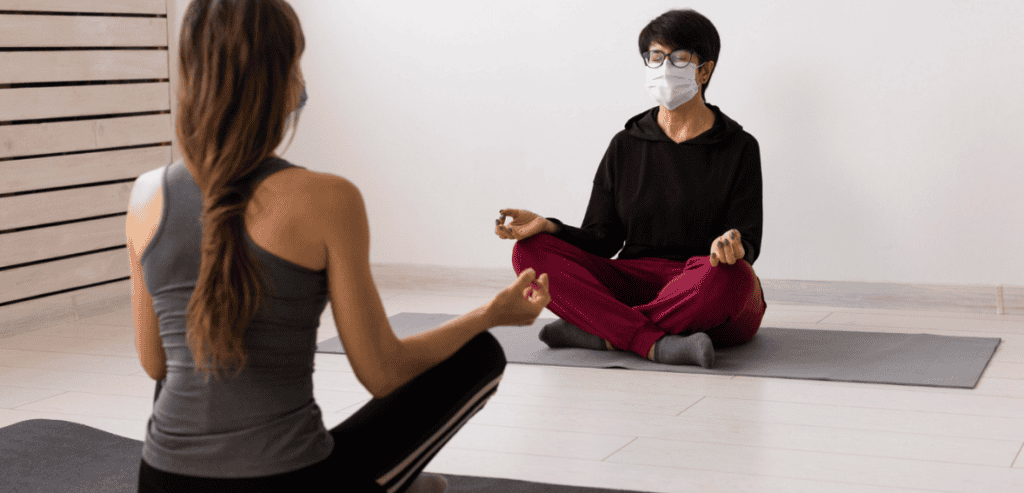
Exercise often creates opportunities for social interaction, which is itself a major contributor to mental health. Group activities, classes, and shared routines foster connection and belonging. These social elements enhance the emotional benefits of movement by reducing isolation and building supportive relationships. Across ages, movement based communities provide encouragement and shared experiences. Whether it is teenagers training together, adults attending fitness classes, or seniors walking in groups, these connections amplify exercise mental health benefits and contribute to emotional resilience.
Building Lifelong Habits of Movement and Well Being
The impact of exercise on mental health grows strongest when movement becomes a lifelong habit. Starting with enjoyable and manageable activities builds a foundation that adapts as needs change over time. Movement does not have to look the same at every age to remain effective. By focusing on consistency, flexibility, and enjoyment, individuals can carry the mental health benefits of exercise through every life stage. Teen stress relief workouts may evolve into adult stress management practices and later into senior mood boosters, all connected by the same core principle of caring for the mind through movement.
The Role of Exercise in Improving Sleep and Emotional Balance
Sleep patterns and mental well-being have a direct correlation, in which exercise is an important factor in boosting both. Exercising regularly helps regulate one’s circadian patterns, making it easier for an individual to fall asleep as well as wake up. When one’s sleeping patterns are improved, an individual can easily regulate his emotions, thus reducing irritability, stress, and emotional responses. It is often because of one’s poor sleeping patterns that stress, along with lower moods, worsen.
The benefits of mental health extend and can be seen with how physical activity leads to enhanced and refreshing sleep. Exercise is essential in releasing any form of nervous energy that may hinder relaxation and sleeping at night. For teenagers, this is particularly beneficial when one is going through a stressful academic or screen overload period. For working individuals, physical activity is essential in enhancing proper sleeping or relaxation that boosts one’s emotional clarity. For older individuals, gentle physical activity during the early daytime hours is also beneficial when it comes to proper sleeping hours.
How Outdoor Movement Enhances Mood and Mental Clarity
Outdoor exercise brings with it the positive effects of exercise on mental health and the advantages of spending time in nature. Being in nature has a calming effect on the nervous system and can help in removing the fatigue of the mind. Nature has been proven to help in the regulation of the mood of a person and reduce stress.
When paired with exercise, outdoor activity is an extremely beneficial tool in recognizing emotional well-being. Walking in a park, biking routes, or outdoor exercise routines are all great ways to help individuals practice mindfulness by taking their focus away from technology. Teenagers benefit from outdoor activity to help them with their stress relief workout by providing them with an area to unwind. Adults benefit from mental clarity by pairing movement with nature. Seniors benefit from outdoor activities by providing them with one of the most beneficial senior mood boosters by giving them an opportunity to socialize as well as providing a calming effect.
Managing Emotional Transitions Through Movement
Transition phases in life come with emotional instability and could be related to beginning a new school year, changing jobs, having a baby, or embracing retirement. Exercise is consistency and comfort during a time of emotional upheaval because it is an activity that provides a familiar outlet.
Movement provides an experience of continuity when everything else in life feels transient and uncertain. Activity provides a boost to the experience of personal power, reminding the individual of their capacity to continue to affect their moods, even in times of transition. Mental exercise health advantages in these periods include enhanced mood stability and diminished experiences of loss of control.
Adolescents undergoing changes in their social or educational lives may appreciate familiar teen stress relief exercise activities, providing an emotional sense of predictability. Adults going through changes of roles or responsibilities find solace in movement activities that provide them with an opportunity to mentally detach, while older adults can experience gentle exercise, ensuring the preservation of personal identity and emotional empowerment with significant lifestyle transitions.
Exercise as a Preventive Tool for Long Term Mental Health
Exercise is a behavior often mentioned in relation to stress or mood swings. Exercise is also a mental health preventive practice. Exercise facilitates stronger emotional control before any challenges, making it easy to cope with any stress that may come up. Individuals who engage in regular physical activities rarely have major lows and easily come out of difficult times.
Mental exercise benefits build over time, creating mental fortitude through a process similar to that of earning physical endurance. Stress relief exercise programs for teens provide a healthy outlet for young stress at a critical stage in life and can protect them from the effects of chronic stress as adults. Addressing mental wellness through exercise conducted on a consistent, long-term basis prevents anxiety and burnout in the long term for adults. As a senior, mental exercise programs help safeguard mental stimulation and mental confidence during the golden years of life. Mental exercise can be a long-term solution for emotional wellness when it isn’t perceived as a quick mental fix.
Conclusion: Movement as a Universal Mental Health Tool
Exercise is a powerful and adaptable tool for supporting mental health across all stages of life. By influencing brain chemistry, reducing stress, and creating routine, movement offers emotional benefits that extend far beyond physical fitness. Exercise mental health benefits are accessible, flexible, and deeply personal, making them suitable for diverse needs and abilities. From childhood through older adulthood, movement supports emotional balance, resilience, and connection.
Teen stress relief workouts and senior mood boosters demonstrate how exercise can be tailored to different life stages while maintaining its core benefits. When approached with balance and compassion, movement becomes not just an activity, but a lifelong source of mental well being.