Fitness is not a destination but a journey that continues throughout life, and something which is required at a stage will not be required at all stages. The various stages that a human body goes through include rapid growth, peak physical capability, aging, and then adapting. These lifespan exercise changes should be known so that people need not train hard but train smart. Phrases like changes in life span exercise, fitness and workouts at various ages, and so on, bring out the changes that occur at various stages. Exercise and aging differ as a person gets older.
From active and vibrant adolescence with an ever-increasing energy level to a more sedate older age with an accompanying slower metabolism, exercise has a tremendous role in – and impact on – muscle strength, health, and confidence. But people still maintain old exercises that have served them well without realizing that perhaps they are no more apt. Resistance and adjustment to physical capabilities will not result in exhaustion or injuries. It will also enable individuals to enjoy exercising instead of sweating it out. Analysis of changes brought about by fitness will bring about a realization and understanding for an individual on arriving at educated life decisions.
Fitness Needs During the Teenage Years
The time of a teenager is one of great physical and hormonal change; for this reason, it is considered to be an important time in creating a lifestyle that is healthy in nature. In regard to lifespan exercise changes, the focus for a teenager is foundational strength, coordination, and cardiovascular capacity building. The teenage body adapts rapidly, and as such, higher intensity with shorter recovery times can be tolerated. Team sports, running, dance, and strength training that promotes bone density and muscle mass building are common age-specific fitness activities during this stage. Because the teenage body is still in development, proper technique and guidance far outweigh heavy weights or extreme training schedules.
The teenage phase is ideal for building discipline and discovering enjoyable forms of movement. Most teenagers respond well to structured routines, which improve flexibility, balance, and agility. Workout needs by age include variety to mix endurance, resistance, and skill-based activities supporting overall development in teens. It’s not about perfection but progression. Encourage teens to build a positive relationship with workouts to help reduce sedentary living usually developed during adulthood. At this stage, fitness should be empowering and not restrictive; it’s important to lay a strong foundation for the decades to come.
Fitness in the Twenties: Peak Strength and Exploration
By your twenties, the body is generally at its best in most physical aspects. The metabolism is faster, muscles recover quicker, and energy levels are very high. The changes in lifespan exercises show this is the time to explore challenging routines, different training styles, and making serious gains in either muscle mass or cardiovascular endurance. Many find their niche in terms of fitness during this decade-be it weight training, running, cycling, yoga, or a certain sport. As people’s independence increases, so does the transition of fitness as a lifestyle choice rather than a school-based activity.
Understanding the importance of injury prevention also forms part of age-specific fitness in the twenties. While this might feel like the resilient era of the body, poor form and overexertion will cause long-term damage if left unaddressed. Concentrating on strength training will help protect joints and stabilize the body for future decades. Resistance workout needs by age in this stage encourage balanced routines that combine intensity with mobility and recovery. While high-energy workouts are appropriate, incorporating stretching, foam rolling, and proper warm-ups ensures the health of your body. Building consistent habits in your twenties helps safeguard long-term physical wellbeing.
Fitness in the Thirties: Balancing Work, Life and Health
In the thirties, many people face new pressures such as demanding careers or growing families. Time becomes a limited resource, making exercise more challenging to prioritise. Lifespan exercise changes during this stage reflect the need for efficiency. Shorter, higher-quality workouts often replace long gym sessions. Strength training gains importance as metabolism gradually slows and muscle mass begins to decrease if not maintained. Cardio remains essential, but recovery starts taking longer than it did in the twenties.
With age-specific fitness, the thirties are about building resilience. Injuries may occur more easily, so warmups and technique become even more important. People in this decade also start noticing changes in flexibility, posture and stamina. Workout needs by age recommend routines that support functional movement such as core strengthening, stability work and moderate intensity cardio. This helps counteract long hours spent at desks or managing family responsibilities. Fitness in the thirties is not just about appearance but maintaining energy, mental clarity and sustainable health practices.
Fitness in the Forties: Preventing Decline and Maintaining Strength
The forties mark the beginning of more visible changes in metabolism, joint health and muscle retention. Lifespan exercise changes indicate that individuals need to be more intentional about maintaining muscle mass, as natural loss accelerates at this age. Strength training is essential for preserving bone density and reducing the risk of injuries. Cardiovascular exercise supports heart health, which becomes increasingly important in this stage of life. The body no longer recovers as quickly, so structured rest becomes part of effective training.
With age-specific fitness, the forties require a combination of challenge and caution. Workouts should still push the body, but not at the cost of chronic pain or strain. Flexibility and mobility work become critical components of longevity. Workout needs by age suggest routines that mix resistance training, moderate impact cardio and mobility sessions like Pilates or yoga. People may begin noticing stiffness or reduced agility, making stretching and warmups vital. Fitness in the forties supports vitality, energy and the prevention of long term health issues.
Fitness in the Fifties: Strength, Stability and Heart Health
Entering the fifties, the focus shifts even more toward maintaining independence and physical confidence. Lifespan exercise changes emphasise continued strength training to combat age related muscle loss. This decade often brings hormonal shifts, joint changes and reduced endurance. Exercise becomes crucial not just for physical function but also for emotional wellbeing. Cardio activities such as brisk walking, swimming and cycling support heart health without placing undue stress on the joints.
Age-specific fitness for individuals in their fifties includes stability exercises that reduce the risk of falls or balance related injuries. Maintaining strong core and leg muscles supports posture and mobility, which are key during this stage. Workout needs by age prioritise moderate intensity workouts that build strength without extreme strain. The goal is to maintain consistency rather than push maximum limits. Gentle recovery practices also gain importance, allowing the body the time it needs to heal and repair after activity.
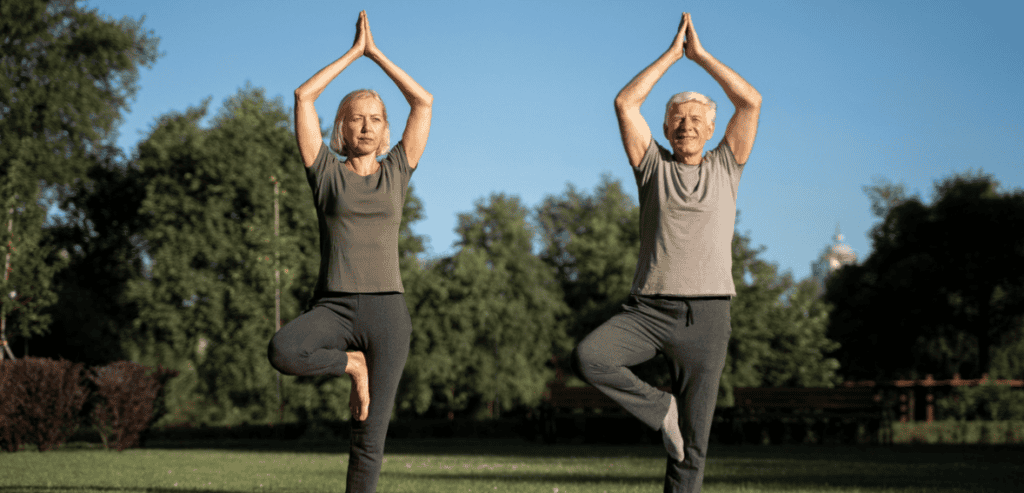
Fitness in the Sixties: Mobility, Balance and Gentle Strength
The sixties represent a time of transition for many people. The body becomes more sensitive to impact and slower to recover, but exercise remains highly beneficial. Lifespan exercise changes highlight the importance of low impact movement that supports joint function and cardiovascular health. Walking, water aerobics, tai chi and light strength training help maintain independence and confidence. Fitness routines evolve to prioritise longevity rather than high performance.
Age-specific fitness in the sixties often focuses on protecting bone density and improving balance. Falls become a greater concern, making coordination exercises essential. Workout needs by age recommend incorporating light resistance bands, bodyweight movements and steady pace cardio. People in this decade may notice reduced flexibility, so stretching and mobility routines play a large role. Maintaining a regular exercise schedule supports not only physical function but also mental sharpness and emotional stability.
Fitness in the Seventies and Beyond: Functionality and Comfort
In the seventies and beyond, exercise is about maintaining functional independence. The aim is not intensity but consistency. Lifespan exercise changes show that gentle, daily movement can significantly improve quality of life. Activities such as slow walking, chair exercises and basic resistance training help maintain muscle tone and joint mobility. Even simple stretching can relieve discomfort and support mobility for daily tasks.
Age-specific fitness during this stage emphasises comfort and safety. Movements should feel accessible and should not cause pain. Workout needs by age focus on preserving mobility, reducing stiffness and supporting cardiovascular health through low intensity activities. For seniors, exercise also plays a role in maintaining social connections and combating loneliness, especially through group classes or walking groups. Fitness becomes a holistic experience that contributes to emotional wellbeing and independence.
How Mental Health Interacts with Fitness Across the Lifespan
Mental health and physical activity are deeply connected at every age. Lifespan exercise changes show that the emotional benefits of movement shift over time. Teens often use exercise for confidence and identity building, while adults rely on it for stress relief and mental clarity. Seniors use fitness to maintain sharpness, independence and emotional resilience. Each life stage benefits psychologically from tailored physical activity.
With age-specific fitness, mental health plays a guiding role. Exercise can reduce anxiety for teenagers, prevent burnout in adults and slow cognitive decline in older individuals. Workout needs by age reflect how movement provides stability during different life challenges. Fitness supports emotional balance, strengthens self esteem and offers a sense of accomplishment. As people age, exercise becomes less about performance and more about nurturing overall wellbeing.
How Lifestyle Choices Shape Fitness Needs
Lifestyle habits influence how exercise supports the body over time. Lifespan exercise changes account for variations in work patterns, stress, diet and sleep. Teenagers may have more free time but less discipline, while adults often struggle to balance schedules. Seniors usually have more time but must manage physical limitations. These lifestyle shifts affect how individuals should train to maintain health.
Age-specific fitness encourages adjusting routines based on daily habits rather than adhering to a single rigid plan. Workout needs by age reflect the importance of realistic goals that align with personal energy levels and commitments. Whether someone is working long hours, raising a family or enjoying retirement, exercise adapts to support their lifestyle. Awareness of these factors allows individuals to build sustainable fitness routines that evolve with them.
Creating Age-Appropriate Fitness Plans
Developing a personalised fitness plan helps individuals focus on what their body needs at each stage. Lifespan exercise changes highlight the importance of adjusting intensity and goals over time. Rather than following generic routines, people benefit from understanding their own strengths, limitations and aspirations. Planning workouts with intention ensures better results and reduces the risk of injuries caused by overexertion or outdated habits.
With age-specific fitness, having a balanced routine that includes strength, cardio, flexibility and recovery is essential. Workout needs by age support the idea that fitness evolves rather than declines. By adapting training approaches, individuals maintain confidence and enjoy movement without unnecessary strain. Creating age appropriate plans ensures long term health, sustainability and enjoyment throughout the lifespan.
Conclusion
Fitness is not a one size fits all concept. Every decade brings unique strengths, challenges and opportunities for movement. Understanding lifespan exercise changes, recognising age-specific fitness requirements and adapting to workout needs by age allows people to train safely and effectively at every stage of life. From energetic teenage years to the calm pace of seniorhood, exercise remains a key factor in maintaining physical and emotional wellness. By adjusting routines to reflect the body’s evolving needs, individuals protect themselves from injury, maintain independence and develop healthier relationships with exercise.
Fitness should grow with a person, not remain frozen in the habits of their youth. When people embrace movement that matches their age and abilities, they create a lifelong path of strength, vitality and wellbeing.