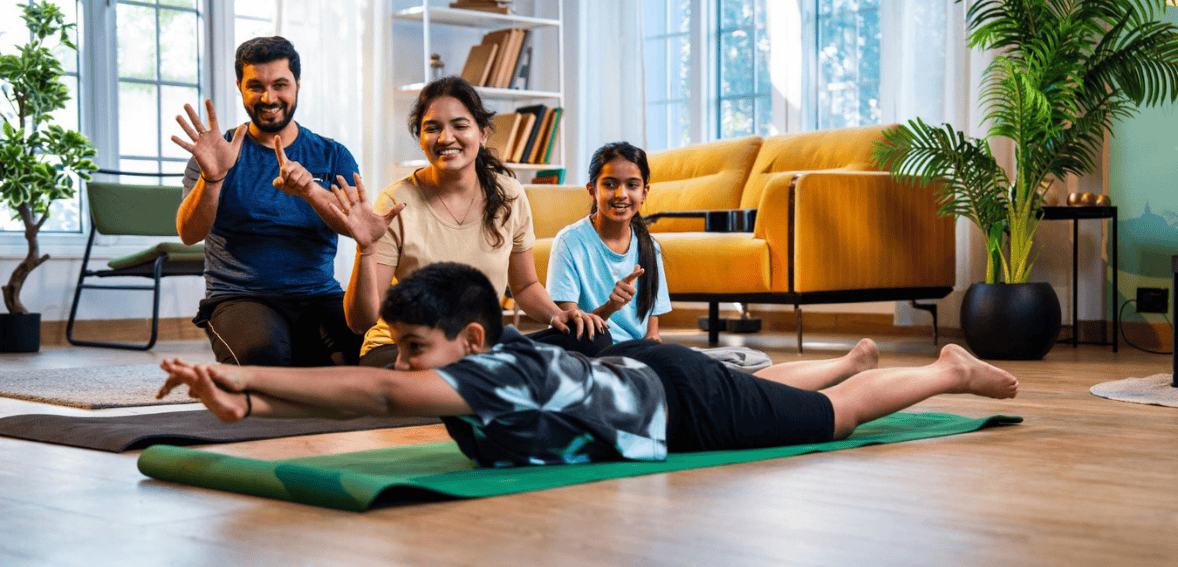
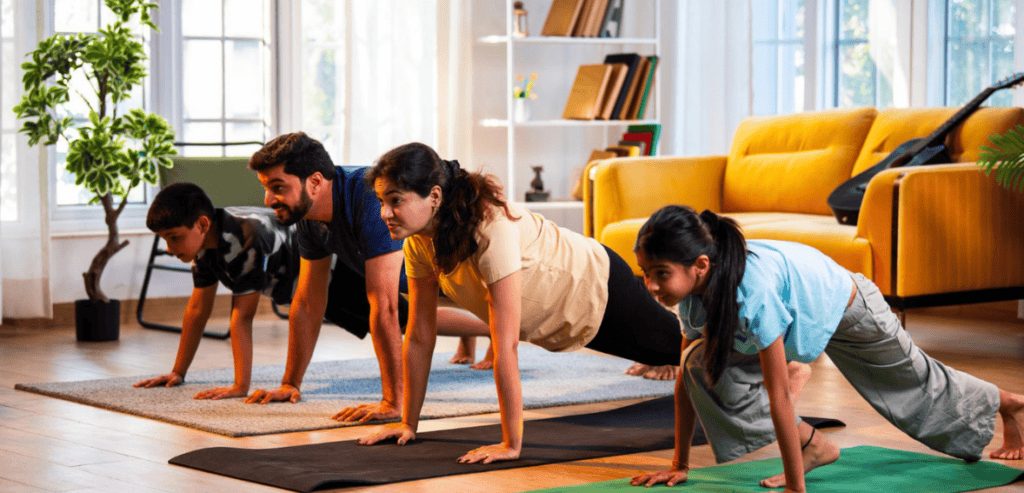
Family life today often pulls different generations in different directions. Teenagers are tied to screens and schedules, parents juggle work and responsibilities, and grandparents may feel physical limitations creeping in with age. Despite these differences, there is one powerful activity that has the ability to bring everyone together in a meaningful and healthy way. Exercise, when approached thoughtfully, can become a shared experience rather than an individual chore. Family workouts are not about intense training or perfect form. They are about connection, movement, laughter, and building habits that support physical and emotional wellbeing across age groups.
What makes family fitness especially valuable is its ability to adapt. A single session can include strength, balance, mobility, and light cardio, all adjusted naturally by each participant. Multigenerational fitness creates space where a teenager’s energy, a parent’s structure, and a grandparent’s wisdom coexist without pressure. The goal is not competition but consistency and shared enjoyment. When movement becomes part of family culture, exercise stops feeling like an obligation and starts feeling like quality time.
Why Fitness Works Better When Families Do It Together
One of the biggest barriers to regular exercise is motivation. People often start strong but struggle to stay consistent when workouts feel lonely or disconnected from daily life. Family workouts solve this problem by embedding movement into relationships rather than schedules. When families commit to exercising together, accountability becomes natural. A walk, stretch session, or light workout becomes something to look forward to rather than something to postpone.
For teenagers, exercising with parents and grandparents can reframe fitness away from appearance or performance and toward health and wellbeing. It shows them that staying active is a lifelong practice, not a phase. Parents benefit by modeling balanced habits and reducing their own stress, while grandparents gain both physical stimulation and emotional connection. Multigenerational fitness also strengthens communication, as shared activities often lead to relaxed conversations and mutual encouragement. Over time, these shared moments build trust, understanding, and a sense of unity that extends beyond exercise.
Understanding Different Fitness Needs Across Generations
Any successful group exercise routine begins with understanding that bodies at different life stages have different needs. Teenagers often have high energy levels, fast recovery, and developing coordination. They enjoy variety, challenge, and movement that feels playful rather than repetitive. Parents typically seek workouts that balance strength, mobility, and stress relief, often within limited time windows. Grandparents usually benefit most from low impact movements that support joint health, balance, flexibility, and cardiovascular function without excessive strain.
The beauty of family workouts lies in their ability to layer intensity rather than separate participants. A simple squat can be deeper for a teen, controlled for a parent, and supported or partial for a grandparent. A walk can turn into intervals for younger members while remaining steady for older ones. When expectations are aligned and comparison is removed, everyone feels included and respected. This mindset is central to sustainable multigenerational fitness, where progress is measured in comfort, confidence, and consistency.
Walking as the Foundation of Family Workouts
Walking is one of the most underrated forms of exercise and one of the best starting points for family fitness. It is accessible, low impact, and naturally adaptable to all age groups. A daily or weekly family walk creates a routine that feels social rather than structured. Teenagers can walk faster or add short bursts of jogging, parents can focus on posture and breathing, and grandparents can maintain a comfortable pace that supports joint health.
Beyond physical benefits, walking together opens space for conversation without pressure. It allows family members to share stories, discuss their day, or simply enjoy silence together. Over time, these walks can become a trusted ritual that anchors the week. As confidence grows, families can explore longer routes, nature trails, or themed walks like morning sunshine walks or evening wind downs. As a base activity, walking integrates seamlessly into larger group exercise routines without intimidation.
Bodyweight Exercises Everyone Can Participate In
Bodyweight movements are ideal for family workouts because they require no equipment and can be modified easily. Exercises like squats, wall push ups, seated leg raises, and standing marches can be performed together while allowing each person to work at their own level. Teenagers may move faster and deeper, parents may focus on control, and grandparents may use chairs or walls for support.
What matters most in these sessions is rhythm rather than repetition counts. Families can move together for time based intervals, such as thirty seconds of movement followed by rest and conversation. This keeps the mood light and prevents anyone from feeling overwhelmed. Over time, these simple movements build strength, coordination, and confidence across all generations. In multigenerational fitness, consistency with simple exercises often brings better results than occasional intense sessions.
Yoga and Stretching for Joint Health and Calm
Yoga and gentle stretching play a crucial role in family fitness, especially when grandparents are involved. These practices support flexibility, balance, posture, and relaxation, making them suitable for a wide age range. Simple poses like seated twists, standing stretches, gentle forward bends, and balance holds can be practiced together with ease. Teenagers benefit by improving mobility and focus, parents experience stress reduction, and grandparents gain better joint comfort and stability.
Practicing yoga as a family also introduces mindfulness without formal instruction. Holding a pose together, focusing on breathing, and moving slowly encourages patience and awareness. This shared calm can be especially valuable in households where daily life feels rushed. Group exercise routines that include stretching at the beginning or end help prevent injury and reinforce the idea that recovery is as important as movement itself.
Games and Play Based Group Exercise Routines
Not all workouts need to look like exercise. Games that involve movement are often the most engaging way to bring generations together. Activities like casual badminton, throwing and catching a ball, light cycling, or even dance based games allow everyone to participate at their comfort level. Teenagers enjoy the playful challenge, parents appreciate the stress free movement, and grandparents stay active without monotony.
Play based group exercise routines also remove the fear of doing something wrong. There is no strict form to perfect and no numbers to track. Instead, the focus stays on enjoyment and participation. This approach is especially effective for families trying to establish new habits, as it builds positive associations with movement. Over time, these games naturally increase endurance, coordination, and confidence without feeling like formal workouts.
Strength Training Made Safe for All Ages
Strength training often sounds intimidating in a multigenerational setting, but when done carefully, it becomes one of the most valuable components of family workouts. Simple resistance exercises using light weights, resistance bands, or even household items can support muscle health across ages. Teenagers can build foundational strength, parents can preserve muscle mass, and grandparents can improve bone density and balance.
Safety and supervision are key. Movements should be slow, controlled, and clearly demonstrated. Exercises like seated rows with bands, wall supported squats, and light overhead presses can be adjusted easily. Rest periods should be generous, and communication encouraged. Multigenerational fitness thrives when everyone feels heard and comfortable enough to speak up about fatigue or discomfort.
Creating a Weekly Family Fitness Routine
Consistency matters more than complexity when building family fitness habits. Rather than aiming for daily long sessions, many families succeed with two or three planned group exercise routines per week. These sessions might combine walking, light strength work, and stretching into a balanced format that suits all ages. Predictability helps everyone plan ahead and reduces resistance.
A weekly routine also allows family members to share responsibility. Teenagers might suggest music or games, parents can guide structure, and grandparents can offer pacing and encouragement. This shared ownership turns fitness into a collaborative activity rather than a directive. Over time, these sessions become part of the family’s rhythm, reinforcing the idea that movement is a shared value rather than an individual task.
Overcoming Common Challenges in Multigenerational Fitness
Every family faces challenges when trying to exercise together. Differences in energy levels, schedules, and physical ability can create friction if expectations are unrealistic. Open communication is essential. Setting a clear understanding that participation matters more than performance helps ease tension. Family workouts should always allow flexibility, including rest when needed and alternative movements without judgment.
Another common challenge is initial resistance, especially from teenagers who may perceive family activities as uncool or restrictive. Involving them in planning and giving them autonomy within sessions often changes this perception. When teens feel respected and included, they are more likely to engage. Grandparents may worry about injury or embarrassment, which can be addressed through gentle pacing and reassurance. Successful multigenerational fitness depends on empathy as much as exercise selection.
The Mental and Emotional Benefits of Exercising Together
While physical health is often the focus, the mental and emotional benefits of family workouts are equally important. Shared movement reduces stress hormones, improves mood, and strengthens emotional bonds. Exercising together creates a space where family members interact outside traditional roles, allowing new perspectives and deeper understanding to emerge.
For grandparents, staying active with younger generations can reduce feelings of isolation and increase a sense of purpose. Parents often find that shared fitness time helps bridge communication gaps with teens. Teenagers benefit from feeling supported rather than judged, especially during a life stage filled with pressure. Group exercise routines offer a neutral ground where encouragement replaces criticism and presence matters more than productivity.
Making Family Fitness a Long Term Habit
The most successful family fitness journeys focus on sustainability rather than short term goals. It is better to maintain simple, enjoyable routines for years than to attempt intense programs that fade quickly. Celebrating small milestones, such as completing a month of regular walks or trying a new activity together, reinforces positive behavior.
Flexibility is also important. As family dynamics change, routines can evolve. A new school schedule, work shift, or health condition may require adjustments, and that is normal. Viewing family workouts as adaptable rather than fixed keeps them relevant across life stages. Multigenerational fitness is not about perfection but about staying connected through movement, no matter how circumstances shift.
Using Music and Rhythm to Energize Family Workouts
Music has a natural ability to unite people despite their age, and this is a vital element while making exercises more fun through family workouts. The inclusion of music while exercising makes it feel more like a social event and not necessarily a task. This is because teens have a great feeling for music rhythm and beats, parents feel happy to have their mood lifted, and grandparents will enjoy their favorite and most appealing songs. Having to select the music together becomes part of the process and helps all feel a part of it.
Music is also instrumental in controlling the rate without further instructions. An appropriate rate assists in walking, stretching, or even strength activities. On the other hand, a low rate may be used in warm-ups and cool-downs, as well as upbeat music to commence a more vigorous routine. The absence of a need to count exercises or monitor the clock in multi-generational fitness activities ensures a smoother process. Exercise may be spontaneous with music being the guiding factor. Later on, the music related to family fitness programs may stimulate good feelings, creating a tradition out of these programs due to their enjoyment.
Adapting Outdoor Spaces for Multigenerational Fitness
Outdoor environments offer unique advantages for family workouts that indoor spaces often cannot. Parks, gardens, terraces, and open walking paths provide fresh air and visual stimulation, which can make exercise feel refreshing instead of repetitive. For grandparents especially, outdoor movement supports mental wellbeing and balance, while teens often feel more relaxed and less constrained outside. Parents benefit from the versatility of open spaces that allow different activity levels to exist side by side.
A simple outdoor setup allows everyone to adjust naturally. One person may focus on walking, another on stretching, while someone else performs light strength exercises nearby. This flexibility is key to multigenerational fitness, as it respects individual comfort without fragmenting the group. Outdoor settings also encourage longer engagement, as people are more likely to linger, talk, and move casually. Over time, associating specific outdoor locations with family workouts strengthens routine and consistency. It reinforces the idea that group exercise routines do not require special equipment or perfect conditions, only shared intention.
Building Balance and Coordination Across Age Groups
Balance and coordination are generally not emphasised as part of fitness, but these skills are very important throughout life. In teenagers, balance and coordination skills can be very helpful for their sporting activities. Similarly, for their parents, balance helps in improving their posture. These skills play a very important role for their grandparents as well, in preventing falls and remaining independent. Moreover, these skills can be beneficial for all to practice collectively without any pressure or fear of being laughed at.
Simple balance-focused movements, such as balance on one leg, heel-to-toe walking, or controlled changes of weight, can be easily modified to suit different levels. You can challenge younger members to hold their balance for longer periods, and others can focus on reaching out, balancing, and holding or supporting each other. As discussed earlier, balance movements encourage patience and patience-encouraging behavior among members. Being part of this incorporation can instill balance and awareness of breathing and body positions in all members, which can be very positive and protective rather than demanding within group exercise routines.
Turning Everyday Activities Into Group Exercise Routines
One of the most sustainable ways of ensuring family fitness is engaging in activities that can be implemented in different ways, challenging the mind as it differentiates between work and exercise. At this stage, teenagers bring the energy, parents provide the structure, while grandparents provide guidance. This approach removes the mental division between work and exercise.
When the importance of daily activities is realized, family fitness becomes less about the effort needed to make time for exercise routines and more about being physically active as a family as often as possible. Activities such as bringing groceries, arranging the furniture, and even watering the plants will be activities that require lifting, bending, squatting, along with the need to walk and coordinate the body.
Multigenerational fitness is especially effective as it acknowledges the different levels of energy, yet keeps everyone physically active. In the end, understanding the importance of activities will promote better health, along with the realization that family fitness programs are not something that is impossible to find in daily family life within the household, outside in the backyard, or in the front yard.
Conclusion: Building Stronger Families Through Movement
Family fitness has the power to transform not just bodies but relationships. When teens, parents, and grandparents move together, exercise becomes a shared language of care and support. Family workouts create opportunities for connection that modern life often limits, turning health into a collective experience rather than an individual pursuit. Through walking, stretching, play, strength, and simple routines, families can build habits that nurture both physical wellbeing and emotional closeness.
Multigenerational fitness works best when it is approached with patience, flexibility, and a sense of fun. Group exercise routines do not need to be perfect or intense to be meaningful. They only need to be consistent and inclusive. Over time, these shared moments of movement become memories, traditions, and a foundation for healthier futures across generations.