Staying physically active after the age of 60 is one of the most powerful ways to preserve independence, mobility, and overall quality of life. As the body ages, natural changes such as reduced muscle mass, joint stiffness, slower balance reactions, and lower bone density become more noticeable. Regular exercise cannot stop aging, but it can slow many of these changes and help seniors stay confident in daily activities. Walking without fear of falling, climbing stairs, lifting groceries, and maintaining good posture all depend on physical conditioning that continues well into later years.
However, exercise for older adults must be approached thoughtfully. Senior fitness safety becomes especially important because the body recovers more slowly and is more sensitive to overuse or improper movement. Safe and effective exercise plans focus on consistency rather than intensity and prioritize comfort, balance, and control. With the right structure and mindset, physical activity can remain enjoyable, sustainable, and deeply rewarding for seniors over 60.
Understanding the Aging Body and Exercise Readiness
Different body responses after age 60 should be taken into account before starting on any exercise routine. Muscle strength diminishes with age as a result of reduced muscle fiber size and less activity. Joints may become stiffer as cartilage gets thinner and less elastic. In addition, cardiovascular endurance can also be lowered if the physical activity level has been very low for the last few years. These changes make it necessary to adopt a movement approach that is patient and self, aware instead of comparing oneself to younger fitness levels.
Safety in senior fitness begins with recognition of one’s limitations and previous health conditions. Some seniors may be living with arthritis, high blood pressure, diabetes, or osteoporosis, which in turn affect the exercise choices. This, however, does not mean that one should refrain from exercise. On the contrary, it means that exercise plans should be modified to accommodate these conditions and at the same time, ensure that little or no stress is placed on the most vulnerable areas. The body becomes able to adapt if a gradual and respectful approach is taken, hence there is no unnecessary strain.
Why Exercise Matters More After 60
Physical activity plays a critical role in maintaining independence as people age. Regular movement improves circulation, supports heart health, and helps regulate blood sugar levels. It also strengthens muscles that protect joints and support posture, reducing the risk of falls and injuries. Beyond physical benefits, exercise has a profound impact on mental health by reducing stress, supporting memory, and improving sleep quality.
Many seniors hesitate to start exercising because they fear injury or believe they are too old to see meaningful benefits. This mindset often limits progress more than physical ability. With proper planning and low impact workouts, the body remains surprisingly adaptable well into later life. Exercise becomes less about performance and more about comfort, confidence, and continuity.
Getting Medical Clearance and Setting Realistic Goals
Senior healthcare physicians advice should be the first step before starting a new physical exercise routine for elderly people especially if they suffer from chronic diseases or have been inactive for a long time. Getting a medical clearance is a step towards getting professional guidance instead of restrictions. It offers security and, at the same time, helps the doctor to detect any movements that should be avoided or modified. This step in senior fitness not only ensures safety but also helps the elderly gain confidence in the process.
Setting goals should be realistic and very close to one’s heart. Some seniors strive to regain their balance while others wish to alleviate the stiffness in their joints and have more energy for daily activities. Having a clear idea of what to achieve helps in shaping exercise plans that are not forced but rather feel like a natural part of life. Tips for the elderly to exercise, mainly, talk about progress through regularity and not through speed or intensity of the workout.
The Role of Warm-Up and Cool-Down in Senior Fitness
Warm-up routines are especially important for seniors because muscles and joints take longer to prepare for movement. A good warm-up increases blood flow, improves flexibility, and reduces the risk of strain. Simple movements such as slow marching, shoulder rolls, or gentle arm swings help the body transition into exercise safely.
Cooling down after exercise allows the heart rate to gradually return to normal and prevents stiffness. Stretching during cool-down supports joint mobility and relaxation. These routines may feel optional to younger individuals, but for seniors they are essential components of a safe exercise plan. Prioritizing warm-up and cool-down greatly supports senior fitness safety and long term consistency.
Strength Training for Muscle and Bone Health
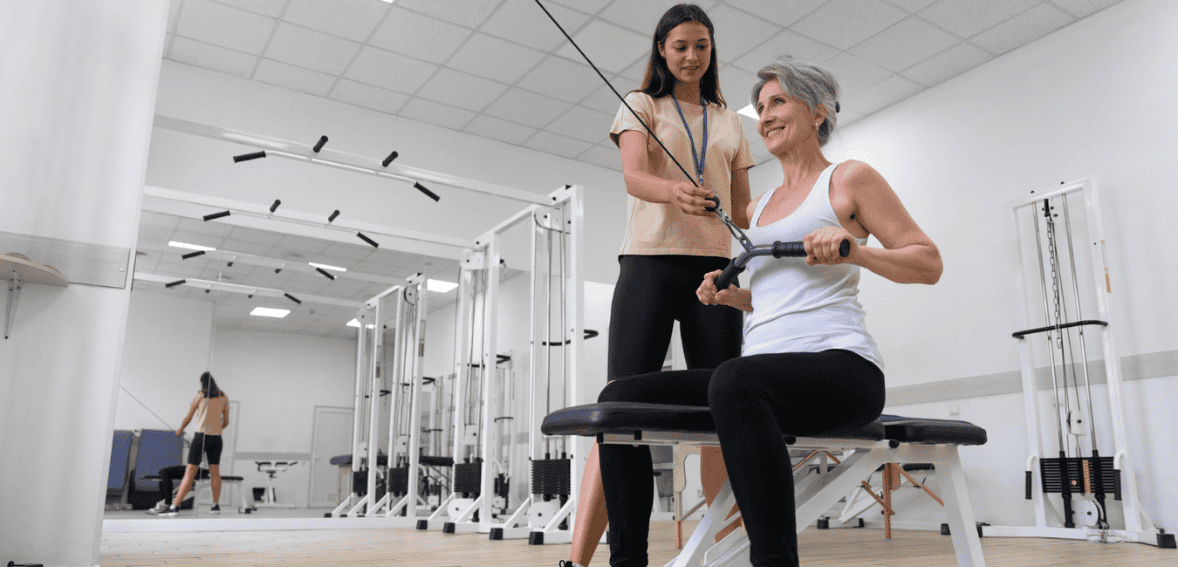
Strength training is one of the most valuable forms of exercise for seniors over 60. Maintaining muscle mass supports joint stability, improves posture, and reduces the likelihood of falls. Strength exercises also help preserve bone density, which is particularly important for seniors at risk of osteoporosis. Contrary to common myths, strength training does not require heavy weights to be effective.
Low resistance exercises using body weight, resistance bands, or light dumbbells can deliver significant benefits. The focus should be on slow, controlled movements with proper form. Rest between sessions is equally important because muscles need time to recover. Strength training, when done responsibly, enhances confidence and physical independence without placing unnecessary stress on the body.
Low Impact Workouts for Joint Protection
Low impact workouts are perfect for elders as they lower the strain on the joints while still giving cardiovascular and muscular benefits. Walking, swimming, cycling, and chair exercises are some activities that enable continual movement without strong impact forces. These exercises are particularly beneficial for seniors with pains in the knees, hips, or lower back. Low impact workouts help to create stamina and also flexibility while the risk or fear of getting an injury is reduced. They can be easily adjusted to correspond to different fitness levels and are usually more fun when done in a calm environment. For the elderly, comfort and sustainability are of greater value than intensity, hence low impact movement becomes a major safe exercise plan.
Improving Balance and Reducing Fall Risk
Balance naturally declines with age, increasing the risk of falls and injuries. Exercise plans for seniors should include balance focused movements to improve stability and coordination. Simple exercises such as standing on one foot with support, heel to toe walking, or gentle side steps help train the body to react more effectively to uneven surfaces or sudden movements.
Improved balance enhances confidence and reduces anxiety around daily activities. Practicing balance exercises regularly supports independence and safety in real world situations. These movements require patience and consistency, but the long term benefits are significant, particularly for seniors who live independently.
Flexibility and Mobility for Everyday Comfort
Flexibility training helps maintain joint range of motion and reduces stiffness that can limit daily movement. Stretching exercises should be gentle and never forced. Seniors benefit most from slow stretches held comfortably while breathing deeply. Stretching supports posture, reduces discomfort, and makes other forms of exercise easier to perform.
Mobility exercises differ slightly from static stretching because they focus on controlled movement through a full range of motion. These exercises improve coordination and body awareness. Together, flexibility and mobility training support smoother movement patterns and long term joint health.
Cardiovascular Exercise for Heart and Lung Health
Cardiovascular activity strengthens the heart and lungs, improves circulation, and boosts energy levels. For seniors, moderate intensity exercise is more effective and safer than high intensity workouts. Activities like brisk walking, stationary cycling, or water aerobics provide steady cardiovascular benefits without excessive strain.
Monitoring exertion is important during cardio sessions. Seniors should be able to speak comfortably while exercising without feeling breathless. This approach aligns with senior fitness safety principles and helps prevent overexertion. Consistent cardio training contributes to stamina, emotional well being, and better sleep.
Structuring a Weekly Exercise Routine
A well rounded weekly routine includes strength training, low-impact cardio, flexibility, and balance exercises. Spacing workouts across the week allows recovery while maintaining regular movement. Seniors benefit from short, frequent sessions rather than long workouts that may cause fatigue.
Listening to the body is essential. Rest days are just as important as active days because recovery supports long term progress. Exercise routines should feel supportive rather than exhausting. When structured carefully, physical activity becomes a sustainable part of daily life rather than a temporary effort.

Common Mistakes Seniors Should Avoid When Exercising
One of the most common mistakes seniors make is pushing through pain in the belief that discomfort is necessary for progress. Pain is a signal that something needs adjustment. Ignoring it increases the risk of injury and disrupts consistency. Another mistake is skipping warm-ups or attempting exercises that are too advanced too quickly.
Overtraining can also be counterproductive. Recovery time increases with age, and doing too much too soon may lead to setbacks. Elderly exercise tips often emphasize patience, proper technique, and gradual progression. Avoiding these common pitfalls supports safe, enjoyable, and effective exercise habits.
Staying Motivated and Making Exercise Enjoyable
Motivation often fluctuates, especially when exercise feels like a chore. Seniors are more likely to stay active when they choose activities they enjoy. Walking with friends, group classes, or gentle outdoor activities make movement feel social rather than solitary. Enjoyment enhances consistency and emotional well being.
Tracking progress through improved comfort, better sleep, or increased confidence helps reinforce positive habits. Exercise is not about perfection. It is about creating routines that support health and independence over time. A supportive mindset encourages lifelong movement at any age.
Adapting Exercise Plans as the Body Changes
Exercise needs evolve over time due to health changes, injuries, or shifting priorities. Seniors should feel comfortable modifying routines rather than abandoning them altogether. Reducing intensity, changing activities, or adding more recovery days are all valid adjustments that support senior fitness safety. Adaptability keeps exercise sustainable. The goal is not to maintain a fixed plan forever but to maintain movement as a lifelong habit. Flexibility in approach allows seniors to respond to their bodies with care and confidence.
The Importance of Proper Footwear and Exercise Environment
Footwear and surroundings play a much larger role in senior exercise safety than many people realize. Shoes that lack proper support can increase strain on the knees, hips, and lower back, while slippery soles raise the risk of falls. Seniors should choose footwear with good cushioning, stable soles, and enough room for natural foot movement. Well fitted shoes support balance and reduce joint stress during both indoor and outdoor activity.
The exercise environment matters just as much. Uneven surfaces, cluttered rooms, or poorly lit spaces can turn simple movements into hazards. Low impact workouts are safest when performed on stable flooring with adequate space to move comfortably. Temperature is another factor that is often overlooked, as exercising in extreme heat or cold may place unnecessary stress on the body. Creating a safe, calm exercise environment allows seniors to focus on movement rather than risk, reinforcing long term confidence and consistency.
How Nutrition and Hydration Support Senior Exercise Plans
Exercise does not function in isolation, especially for seniors. Nutrition and hydration directly influence energy levels, muscle recovery, and joint comfort. As metabolism slows with age, the body becomes more sensitive to nutrient intake. Seniors who exercise regularly benefit from balanced meals that include protein for muscle repair, healthy fats for joint health, and carbohydrates for sustained energy.
Hydration is equally important and closely connected to senior fitness safety. Older adults often experience a reduced sense of thirst, which increases the risk of dehydration during physical activity. Even mild dehydration may cause dizziness, fatigue, or muscle cramping. Drinking water before, during, and after exercise helps support circulation and temperature regulation. When paired with sensible elderly exercise tips, proper nutrition and hydration improve recovery and allow seniors to maintain regular activity without unnecessary discomfort.
Adjusting Exercise Intensity to Match Daily Energy Levels
One of the most important skills seniors develop over time is learning how to adjust exercise intensity based on how they feel each day. Energy levels naturally vary due to sleep quality, stress, medication effects, or minor health changes. Ignoring these fluctuations increases the likelihood of fatigue or injury and may discourage consistent movement.
Listening to the body supports system reliability in physical performance and enhances long term motivation. Some days may allow for longer walks or more repetitions, while others are better suited for gentle stretching or light mobility work. Adjustments do not represent failure but rather awareness and maturity in exercise habits. Low impact workouts are particularly useful here, as they can be scaled up or down easily without risking strain. This flexibility makes exercise sustainable throughout different life stages.
The Role of Rest and Recovery in Healthy Aging
Rest is not the opposite of exercise but an essential part of it, especially for seniors. The aging body requires more time to repair muscle tissue and restore energy levels. Without adequate recovery, even well planned exercise routines may lead to soreness, fatigue, or declining motivation. Proper rest supports senior fitness safety by reducing overuse injuries and joint inflammation.
Recovery includes quality sleep, rest days, and gentle movement between more active sessions. Activities such as relaxed walking or stretching on rest days maintain circulation without placing added stress on muscles. Recognizing that progress happens during recovery helps seniors avoid the trap of overtraining. Balanced routines that respect recovery needs improve long term outcomes and allow physical activity to remain enjoyable and effective rather than exhausting.
Conclusion
Safe and effective exercise plans for seniors over 60 focus on consistency, comfort, and thoughtful progression. Physical activity supports independence, reduces health risks, and improves overall quality of life when approached with respect for the aging body. Prioritizing senior fitness safety, incorporating low impact workouts, and following practical elderly exercise tips allow seniors to remain active without unnecessary strain. Exercise does not need to be intense or complicated to be effective. When routines are simple, adaptable, and enjoyable, they become sustainable long term habits. By listening to the body and moving with intention, seniors can continue to experience strength, balance, and confidence well into later years.